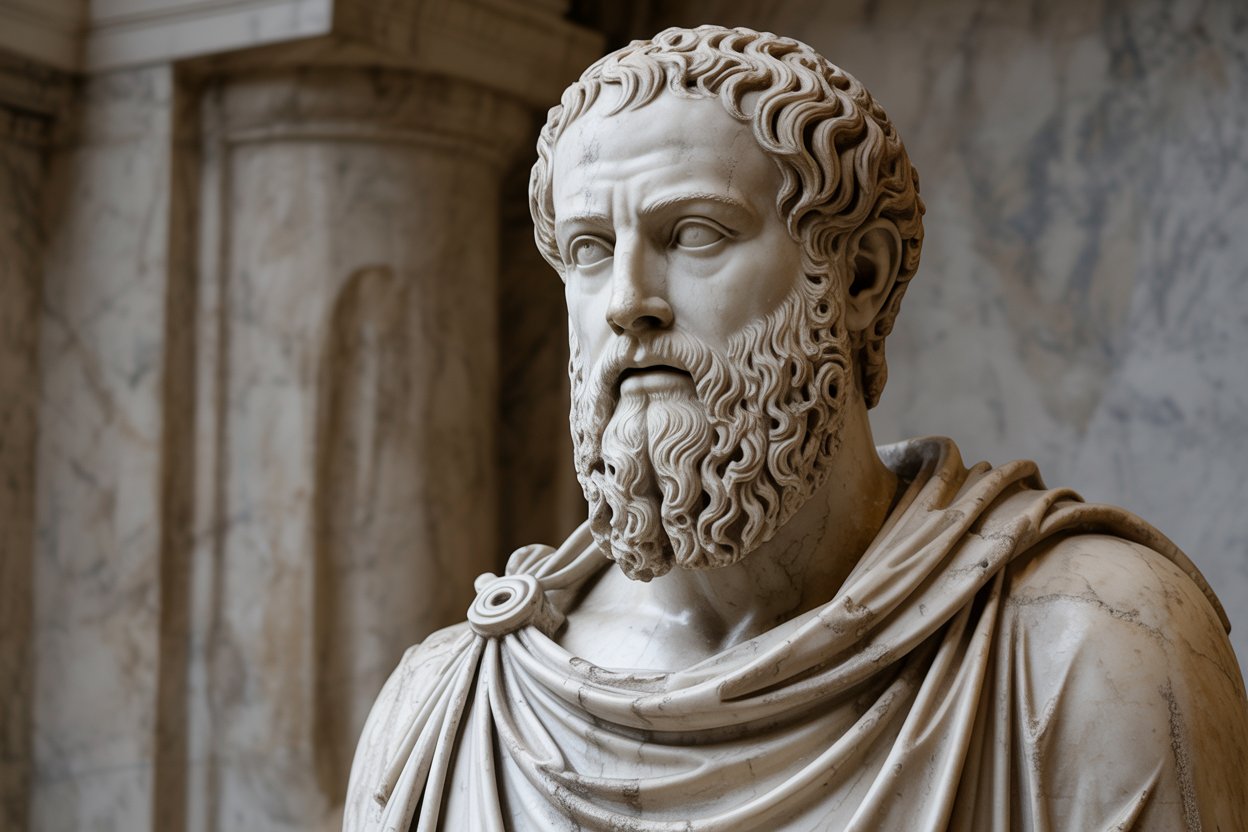
Most men don’t wake up one day and suddenly become wise. Life teaches us through pressure, mistakes, and a few hard knocks we never saw coming. Stoic philosophy doesn’t promise an easy life, but it does offer clarity when things feel messy.
I stumbled into Stoicism during a stressful season when nothing seemed under my control. What surprised me most wasn’t how old these ideas were, but how painfully relevant they felt. These lessons often arrive late—but learning them at all still changes everything.
Let’s talk through the big ones, friend to friend.
1. You Control Your Mind, Not External Outcomes
This lesson hits hard once life refuses to follow your plans. You can work hard, stay honest, and still face setbacks. Stoicism teaches that your thoughts, choices, and reactions belong to you—everything else doesn’t.
I wasted years stressing over things I couldn’t change. Traffic, other people’s opinions, and unexpected losses drained my energy daily. Once I focused on controlling my response instead, my stress dropped fast.
Stoics don’t deny pain or difficulty. They simply refuse to hand over mental control to chaos. A calm mind beats a perfect situation every time, IMO.
2. Time Is Your Most Finite Asset
Money comes and goes, but time never refunds itself. Men usually realize this after wasting years chasing things that didn’t matter. Stoicism treats time as sacred because every moment spent poorly disappears forever.
I once said yes to everything and everyone. That habit left me busy but empty. Stoic thinkers urge us to guard our time like our life depends on it—because it does.
When you respect time, you start asking better questions. Does this matter? Will this matter later? Living deliberately turns ordinary days into meaningful ones.
3. Comfort Weakens Character
Comfort feels good, but it quietly dulls strength. Stoicism doesn’t glorify suffering, but it warns against a life built only around ease. Growth requires friction, whether we like it or not.

I noticed this when small inconveniences started annoying me way too much. That reaction showed how soft I had become. Stoics train themselves to handle discomfort so life doesn’t break them when real problems show up.
Cold mornings, hard conversations, and disciplined routines sharpen character. Comfort keeps you safe, but challenge makes you capable.
4. Approval Is a Trap
Seeking approval sneaks into life quietly. Men chase respect, validation, and praise without realizing the cost. Stoicism cuts through that noise by reminding us that other people’s opinions live outside our control.
I spent years adjusting my behavior to keep people happy. That habit left me exhausted and resentful. The moment I stopped performing for approval, I felt lighter.
Stoics value integrity over popularity. Living honestly beats living liked, every single time. FYI, freedom starts the moment you stop needing applause.
5. Most Fears Never Happen
Fear loves imagination more than reality. Stoic philosophy points out that we suffer more in anticipation than in experience. Most worries never materialize, yet they steal real peace.
I once feared a difficult conversation for weeks. When it finally happened, it ended in ten minutes with zero disaster. That pattern repeated itself again and again.
Stoics practice facing fears mentally before they arise. This habit weakens fear’s grip. Courage grows when you stop feeding imagined disasters.
6. Desire Must Be Governed
Desire itself isn’t evil, but unmanaged desire causes chaos. Stoicism teaches moderation because unchecked cravings turn into lifelong dissatisfaction.

I chased bigger goals thinking happiness waited at the next milestone. Every achievement brought brief excitement, followed by another craving. Stoic thinkers warn that desire multiplies when you obey it blindly.
Govern desire instead of eliminating it. Choose what serves your character, not your ego. Wanting less often delivers more peace.
7. Discipline Beats Motivation
Motivation feels great, but it disappears fast. Discipline sticks around even on bad days. Stoicism leans heavily on routine because consistency builds strength when emotions fail.
I waited years for motivation before starting important habits. Once I focused on discipline instead, progress became predictable. Stoics show up whether they feel inspired or not.
Discipline protects you from excuses. A disciplined life moves forward quietly while motivation waits for perfect moods.
8. The Present Moment Is All You Have
Men often live everywhere except now. Regret pulls us backward, while anxiety pushes us forward. Stoicism anchors attention in the present because life only happens here.
I used to replay old mistakes constantly. That habit stole joy from moments that deserved attention. Stoic practice pulled me back into what I could actually experience.
Focusing on the present doesn’t erase responsibility. It improves it. Attention turns ordinary moments into meaningful ones.
9. Death Clarifies Priorities
Stoics speak openly about death, not to scare us, but to focus us. Mortality strips away trivial concerns and highlights what matters.
I avoided thinking about death for years. Once I faced it honestly, my priorities sharpened. Petty arguments lost importance. Meaningful relationships gained urgency.
Remembering death doesn’t darken life. It brightens it. Awareness of endings gives depth to every beginning.
10. Character Is the Only True Asset
Money disappears. Status fades. Health fluctuates. Stoicism teaches that character stays when everything else changes.
I’ve watched talented people lose everything because character never supported their success. Stoics build inner strength first, knowing it sustains everything else.
Character guides decisions under pressure. It anchors identity when circumstances shift. In the end, how you live matters far more than what you accumulate.
Final Thoughts
Stoic philosophy doesn’t promise comfort or shortcuts. It offers something better—clarity, resilience, and control where it actually counts. Most men learn these lessons late, but late still beats never.
If even one idea here sticks, apply it today. A better life doesn’t start tomorrow—it starts with your next decision.