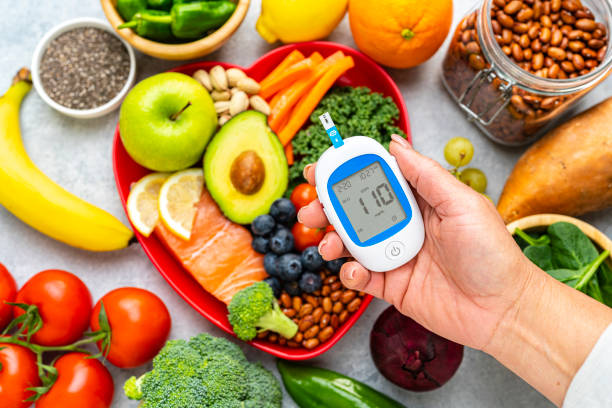
Managing blood sugar is one of the most important parts of staying healthy, especially for people living with diabetes or prediabetes. While medications and medical advice are essential, the foods you eat every day also play a major role in how your body controls glucose.
Many people assume that all fruits are automatically healthy. While fruits are packed with vitamins, minerals, and antioxidants, some can support healthy blood sugar levels while others may cause significant spikes when eaten in large amounts.
The good news is that there are several common fruits that can help support better glucose control. These fruits contain fiber, antioxidants, and plant compounds that improve insulin sensitivity and slow the absorption of sugar into the bloodstream.
In this article, we’ll explore 10 fruits that may help regulate blood sugar naturally, followed by 5 fruits that people with diabetes should eat cautiously.
10 Fruits That Can Help Support Healthy Blood Sugar
1. Blueberries
Blueberries are small but incredibly powerful when it comes to blood sugar management.
They are rich in plant compounds called anthocyanins, which give blueberries their deep blue color. These antioxidants have been shown to improve insulin sensitivity, helping the body use insulin more effectively.
Studies have found that people who consumed blueberries daily experienced improved insulin response, particularly those who were overweight or insulin resistant.
Blueberries also have a low glycemic index (GI) of around 53, meaning they raise blood sugar slowly compared to many other fruits.
Additionally, their fiber content helps slow digestion and reduces rapid glucose spikes.
How to eat them:
- Add them to Greek yogurt
- Sprinkle them over oatmeal
- Enjoy a small handful as a snack
A daily serving of blueberries can be a simple yet powerful addition to a blood sugar-friendly diet.
2. Avocados
Many people forget that avocados are technically a fruit, but they are one of the best foods for blood sugar control.
Unlike most fruits, avocados are extremely low in sugar and packed with healthy monounsaturated fats and fiber.
A single avocado contains around 13 grams of fiber, which slows digestion and helps prevent sudden increases in blood sugar.
The healthy fats in avocados also help improve insulin sensitivity. When the body responds better to insulin, glucose is removed from the bloodstream more efficiently.
Replacing refined carbohydrates with healthy fats like those found in avocados can significantly improve blood sugar management over time.
Easy ways to enjoy avocados:
- Add slices to salads
- Spread mashed avocado on whole-grain toast
- Blend into smoothies
3. Tart Cherries
Tart cherries are gaining attention for their potential benefits for people with blood sugar issues.
Like blueberries, they contain anthocyanins, which help improve insulin sensitivity.
Research has also suggested that these compounds may stimulate insulin production in pancreatic cells. In some laboratory studies, tart cherry compounds increased insulin production significantly.
Another benefit of tart cherries is their anti-inflammatory properties. Chronic inflammation plays a major role in insulin resistance, so reducing inflammation can help improve glucose control.
Important tip:
Choose unsweetened tart cherries or fresh cherries rather than sweetened juices or syrups.
4. Apples
Apples may seem ordinary, but they offer impressive benefits for blood sugar control.

They contain pectin, a type of soluble fiber that slows the absorption of sugar into the bloodstream. This prevents sudden spikes in glucose levels.
Some research suggests that eating an apple before a meal may significantly reduce post-meal blood sugar levels.
Apples also contain polyphenols that may stimulate insulin production and help cells absorb glucose more effectively.
For the best benefits:
- Eat apples with the skin on
- Avoid apple juice
- Choose whole apples rather than processed versions
The fiber in the skin plays a crucial role in controlling blood sugar.
5. Strawberries
Strawberries are one of the lowest-sugar fruits available, containing only about 7 grams of sugar per cup.
They also contain powerful antioxidants such as fisetin and ellagic acid, which may help regulate blood sugar and reduce complications associated with diabetes.
These compounds can slow carbohydrate digestion, allowing glucose to enter the bloodstream gradually instead of causing sharp spikes.
Strawberries are also high in:
- Vitamin C
- Fiber
- Antioxidants
This makes them a great snack option for anyone trying to maintain stable glucose levels.
6. Bitter Melon
Bitter melon is widely used in traditional medicine for blood sugar management.
Although many people think of it as a vegetable, it is actually a fruit.
Bitter melon contains several compounds that help lower blood glucose levels, including:
- Charantin
- Vicine
- Polypeptide-P
These compounds act similarly to insulin by helping the body move glucose from the bloodstream into cells.
Clinical studies have shown that bitter melon may help reduce:
- Fasting blood sugar
- HbA1c levels (a marker of long-term blood sugar control)
Because bitter melon can lower glucose levels significantly, people taking diabetes medications should speak with their healthcare provider before using it regularly.
7. Grapefruit
Grapefruit is another fruit that may support better blood sugar control.
It contains a compound called naringenin, which helps improve insulin sensitivity and may assist the liver in breaking down fatty acids.
Excess fat in the liver is strongly linked to insulin resistance, so reducing this fat can improve glucose metabolism.
Studies have also found that eating grapefruit before meals may support weight loss and improve insulin resistance.
Important warning:
Grapefruit can interact with certain medications, including some cholesterol and blood pressure drugs. Always consult a healthcare professional before adding it to your diet if you take medications.
8. Kiwi
Kiwi is one of the most underrated fruits for blood sugar management.
It has a low glycemic index (around 50) and contains high levels of vitamin C, fiber, and potassium.

The fiber structure in kiwi slows the release of sugars during digestion. This means glucose enters the bloodstream gradually instead of rapidly.
Kiwi also contains inositol, a compound involved in insulin signaling. Healthy insulin signaling helps cells remove glucose from the bloodstream efficiently.
Adding one or two kiwis to your daily routine can be a simple way to support better glucose control.
9. Pears
Pears are another excellent fruit for stabilizing blood sugar levels.
A medium pear contains about 6 grams of fiber, much of which is soluble fiber.
This type of fiber forms a gel-like substance in the digestive tract that slows carbohydrate absorption. As a result, glucose enters the bloodstream more gradually.
Pears also contain plant compounds called flavan-3-ols, which have been linked to a lower risk of developing type 2 diabetes.
For maximum benefit:
- Eat pears with the skin
- Choose slightly firm pears rather than overly ripe ones
10. Jamun (Java Plum)
Jamun, also known as Java plum or black plum, has been used in Ayurvedic medicine for centuries to manage diabetes.
One of the most powerful compounds in jamun seeds is jamboline, which helps slow the conversion of starch into sugar.
This means fewer carbohydrates are turned into glucose in the bloodstream.
Studies suggest jamun may help:
- Lower fasting blood sugar
- Improve overall glucose control
- Support pancreatic health
Jamun fruit is also rich in fiber, vitamin C, iron, and polyphenols.
Although it may not be widely available everywhere, jamun is considered one of the most promising fruits for blood sugar management.
5 Fruits That May Spike Blood Sugar
While fruit is generally healthy, some types can raise blood sugar quickly when eaten in large amounts.
Here are five fruits that people with diabetes should eat cautiously.
1. Ripe Bananas
Bananas contain beneficial nutrients like potassium, but ripe bananas are high in sugar.
As bananas ripen, their resistant starch converts into simple sugars, which raises their glycemic index.
A medium ripe banana contains about 14 grams of sugar, making portion control important.
If you enjoy bananas, choose slightly green bananas and pair them with protein or healthy fats.
2. Mangoes
Mangoes are delicious but very high in natural sugar.
Just one cup of mango contains about 23 grams of sugar, and many people eat much more than that in one sitting.

Large portions of mango can cause significant blood sugar spikes, particularly for people with insulin resistance.
3. Pineapple
Pineapple has a medium to high glycemic index and contains about 16 grams of sugar per cup.
Because it contains relatively little fiber, the sugars are absorbed quickly into the bloodstream.
This can lead to rapid glucose spikes followed by energy crashes.
4. Watermelon
Watermelon has a very high glycemic index, sometimes even higher than white bread.
Although it is mostly water, large portions can quickly increase blood sugar levels.
Since people often eat multiple cups at once, portion size becomes especially important.
5. Grapes
Grapes are easy to overeat because they are small and convenient.
However, one cup contains about 23 grams of sugar, making them surprisingly high in carbohydrates.
Eating grapes mindlessly can lead to large sugar intake without realizing it.
Smart Tips for Eating Fruit With Diabetes
If you want to enjoy fruit while managing blood sugar, keep these simple guidelines in mind:
1. Choose Whole Fruits
Whole fruits contain fiber that slows sugar absorption. Fruit juices remove this fiber and can spike blood sugar quickly.
2. Pair Fruit With Protein or Fat
Eating fruit with foods like nuts, yogurt, or cheese slows digestion and reduces glucose spikes.
3. Watch Portion Sizes
Even healthy fruits can raise blood sugar if eaten in large amounts.
4. Avoid Eating Fruit Alone on an Empty Stomach
Eating fruit with meals can reduce blood sugar spikes.
Final Thoughts
Fruit can absolutely be part of a healthy diet for people managing blood sugar. The key is choosing fruits that are high in fiber, lower in sugar, and rich in beneficial plant compounds.
Fruits like blueberries, strawberries, apples, pears, kiwi, and avocado offer powerful benefits that can support better glucose control when eaten in moderation.
At the same time, high-sugar fruits like mangoes, ripe bananas, pineapple, watermelon, and grapes should be enjoyed more cautiously, especially for those with diabetes or insulin resistance.
Ultimately, managing blood sugar is not just about one food. It involves a balanced lifestyle that includes:
- Healthy eating
- Regular exercise
- Quality sleep
- Stress management
- Staying hydrated
Making small, consistent changes to your diet can lead to significant improvements in long-term health.