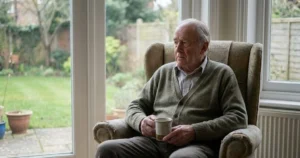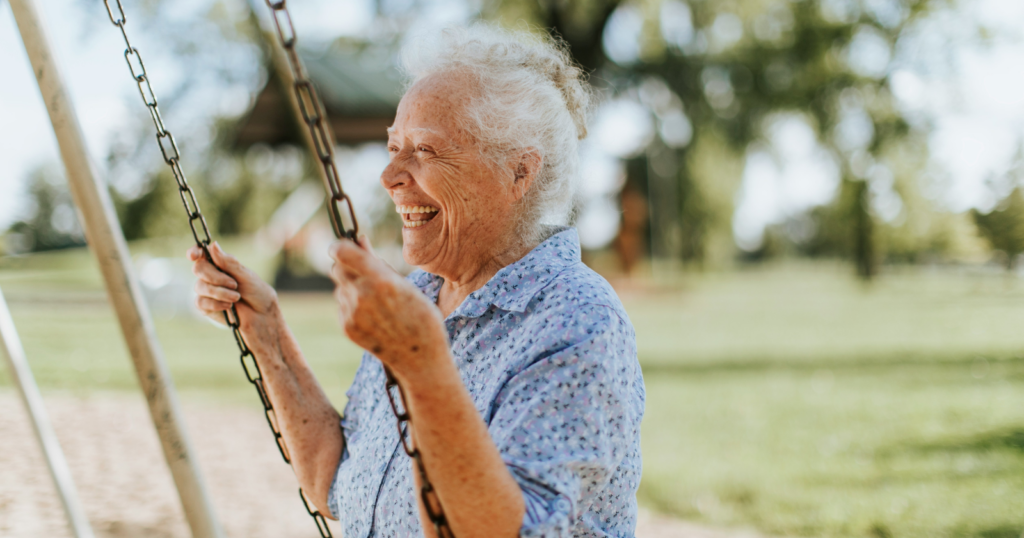
Some people age and grow bitter. Others age and somehow glow.
I’ve spent a lot of time around older people like this, and their happiness never feels accidental. It comes from small daily habits they repeat quietly, not from luck or perfect circumstances. FYI, none of these habits require money, status, or a perfect life.
Let’s talk about the real, everyday things they do that keep them genuinely happy and at peace with their life.
1. They start their mornings slowly and intentionally
Happy older people don’t jump out of bed and attack the day like it’s a race. They ease into the morning with intention, and that alone changes everything. They give themselves time to wake up mentally, not just physically.
I’ve noticed they avoid grabbing their phone first thing. Instead, they stretch, sit quietly, or enjoy a simple routine like tea or coffee. That calm start sets the emotional tone for the rest of the day.
They also focus on how they want to feel, not just what they need to do. That mindset keeps stress from running the show. A rushed morning almost guarantees a tense day, and they’ve learned that lesson the hard way.
Common slow-morning habits include:
- Sitting in silence for a few minutes
- Light stretching or breathing
- Journaling or thinking through the day
- Enjoying breakfast without distractions
They don’t chase productivity at sunrise. They protect their peace first, and everything else flows better after that.
2. They move their bodies every single day
Genuinely happy older people treat movement like medicine, not punishment. They move daily, even when they don’t feel motivated. They don’t aim for intense workouts or perfect routines.
Walking plays a huge role here. A simple daily walk clears the mind, loosens the body, and creates rhythm. I’ve walked with older neighbors who swear those walks keep them sane more than fit.
They also choose movement they enjoy. Dancing, gardening, stretching, swimming—it all counts. IMO, enjoyment matters more than intensity when it comes to consistency.
Daily movement helps them:
- Improve mood and mental clarity
- Reduce stiffness and aches
- Sleep better at night
- Maintain independence
They don’t say “I have to exercise.” They say “I get to move.” That shift alone keeps them going year after year.
3. They practice gratitude without making it a big production
Happy older people don’t turn gratitude into a performance. They keep it quiet, simple, and honest. They notice the good without forcing positivity.
I’ve seen this up close. They’ll casually mention how good the weather feels or how much they enjoyed a short conversation. Those small acknowledgments add up fast.

They don’t deny hardship. They just refuse to let it dominate their inner world. Gratitude gives them balance, not denial.
Simple gratitude habits they use:
- Mentally listing a few good moments
- Saying thank you more often
- Appreciating ordinary routines
They don’t chase happiness aggressively. They notice it where it already exists, and that keeps their mindset grounded and peaceful.
4. They maintain meaningful connections
Older people who feel at peace don’t collect dozens of shallow relationships. They protect a small circle of meaningful connections. Quality beats quantity every time.
They check in regularly. They listen without interrupting. They show up when it matters. That consistency builds emotional safety on both sides.
I’ve noticed they also avoid drama. They don’t argue to win or cling to unhealthy dynamics. They choose peace over ego.
They nurture connection through:
- Regular phone calls or visits
- Shared routines or traditions
- Honest conversations
They invest emotionally, not perform socially. Those bonds anchor them when life shifts, which it always does.
5. They’ve learned to let go of what they can’t control
This habit changes everything. Happy older people stop wrestling with reality. They accept what they can’t control and focus on what they can.
They don’t waste energy on the past. They don’t obsess over outcomes. That doesn’t mean they stop caring—it means they stop suffering unnecessarily.
I’ve heard many of them say some version of, “I did my best.” That sentence carries real peace.
They let go of:
- Other people’s opinions
- Missed opportunities
- Unchangeable outcomes
Acceptance frees mental space, and they use that space to actually enjoy their days.
6. They keep learning something new
Age doesn’t slow curiosity for happy people—it sharpens it. They keep learning, even in small ways. That learning keeps their minds alive and flexible.
Some read daily. Others learn skills, languages, or hobbies. The point isn’t mastery. The point is engagement.

Learning gives them structure and purpose without pressure. It also builds confidence, which never expires.
Popular learning habits include:
- Reading nonfiction or novels
- Learning music, crafts, or tech
- Asking questions and staying curious
They don’t say “I’m too old.” They say “Why not?”, and that mindset keeps life interesting.
7. They spend time in nature
Nature plays a quiet but powerful role in their happiness. They step outside regularly, even if only for a few minutes.
I’ve seen how this works. A walk under trees or time in a garden instantly slows their thoughts. Nature resets the nervous system without effort.
They don’t overthink it. They simply show up and let nature do the work.
Ways they connect with nature:
- Walking outdoors daily
- Gardening
- Sitting in fresh air
Nature reminds them to slow down, and that reminder keeps them grounded.
8. They’ve simplified their lives
Happy older people remove what drains them. They simplify aggressively and unapologetically.
They own fewer things. They keep fewer commitments. They say no without guilt. That simplicity creates breathing room.
I’ve noticed how freeing this feels. Less clutter means fewer decisions and less stress.
They simplify by:
- Reducing possessions
- Streamlining routines
- Letting go of obligations that no longer fit
Simplicity gives them time, and time gives them peace.
9. They give themselves permission to rest
Rest doesn’t feel lazy to them. It feels necessary. They listen to their energy instead of fighting it.

They nap when needed. They pause without explaining themselves. They understand that rest preserves joy.
This habit protects them from burnout and resentment. It also keeps their bodies functional longer.
Rest looks like:
- Quiet afternoons
- Early nights
- Unstructured downtime
They don’t earn rest. They respect it.
10. They find ways to contribute
Contribution keeps them connected to life. They give in ways that feel natural and meaningful.
Some mentor. Some volunteer. Some simply show kindness daily. The scale doesn’t matter.
Giving reinforces purpose. It reminds them they still matter deeply.
Ways they contribute:
- Helping family or neighbors
- Sharing wisdom
- Offering time or support
Purpose fuels peace, and contribution keeps purpose alive.
Final thoughts
Genuine happiness doesn’t arrive all at once. It builds quietly through daily habits like these. Older people who live at peace don’t chase happiness—they practice it.
If one habit stood out to you, try it today. Small changes stack fast, and peace loves consistency.
Which habit are you starting with?