Two people can be the same age on paper and look like they are living in completely different decades. One person in their late 50s or early 60s may be energetic, sharp, strong, and physically active, while another may already feel tired, slow, fragile, and constantly unwell.
The interesting part is that this difference does not usually appear overnight. According to the transcript, the gap between chronological age and biological age develops slowly over many years, largely through the daily habits and signals we give our bodies.
Your Chronological Age Is Not the Whole Story
There is an important difference between chronological age and biological age. Your chronological age is simply the number of years you have been alive, while biological age refers more to the functional condition of your cells, organs, muscles, and cardiovascular system.
Two people can have the same chronological age while having very different biological health. One may have the physical condition of someone considerably younger, while the other may already be experiencing significant decline.
The body does not simply follow a fixed aging schedule. It responds to the things we do every day, including how well we sleep, how much we move, what we eat, and how much natural light we get.
That is why the habits you repeat for years can matter so much. They constantly send signals to your body about whether it should prioritize repair and recovery or allow damage to accumulate.
The transcript describes aging as a situation where damage begins accumulating faster than the body can repair it. Several processes are involved, including mitochondrial dysfunction, oxidative stress, insulin resistance, inflammation, and disruption of the body’s internal clock.
The good news is that these systems are influenced by everyday behavior. You do not necessarily need expensive equipment or a cabinet full of supplements to start changing those signals.
Supplements Cannot Replace the Basics
The supplement industry often makes aging sound like a problem that can be solved by swallowing the right pill. But the transcript makes a very different argument.
If someone takes expensive anti-aging supplements while eating poorly, sitting most of the day, sleeping badly, and losing muscle, those supplements cannot replace the basic habits their body needs.
The speaker also points out that many of the healthiest older people he has encountered were not relying on huge collections of supplements. Instead, they tended to have fairly simple routines involving good food, physical activity, adequate sleep, and meaningful relationships.
That does not mean every supplement is useless or that nobody should ever take one. The larger point is that supplements should not distract you from the foundations of health that you can practice every day.
And some of those habits cost absolutely nothing.
1. Get Outside for Morning Light
The first habit sounds almost too simple, which may be exactly why so many people ignore it. According to the transcript, getting outside and exposing your eyes to natural morning light within the first hour after waking can help set your body’s internal clock.
Your body has a 24-hour timing system known as the circadian rhythm. Light is one of the major signals that helps keep this system synchronized with the day and night cycle.
Morning light helps tell your brain that the day has started. This influences the timing of processes such as cortisol, body temperature, melatonin, sleepiness in the evening, and the body’s nighttime repair processes.
The problem is that many people spend their mornings indoors under artificial lighting. Some work from home, stay in dark rooms, or barely open the curtains before getting on with their day.
Over time, consistently missing natural morning light can interfere with the timing of your sleep and other biological processes. That is why the transcript recommends making outdoor morning light part of your everyday routine.
You do not need an expensive device or special treatment. Simply getting outside for around 10 minutes in the morning is a completely free habit that can become a useful part of your daily routine.

And as evening approaches, the transcript also recommends reducing bright lights and limiting excessive screen exposure. The idea is to create a clearer difference between daytime and nighttime so your body can prepare for sleep.
2. Give Your Body an Overnight Break From Food
The second habit is creating a 12 to 14-hour window overnight without eating. This does not mean starving yourself or following an extreme fasting routine.
YOU MAY LIKE



The basic idea is simply to give your body a longer period between your last meal of the day and your first meal the following morning. For some people, this could mean finishing dinner around 8 p.m. and eating breakfast around 8 or 9 a.m.
During the day, your body is generally dealing with incoming food and managing the nutrients and glucose that come with it. During a fasting period, different processes become more active, including cellular housekeeping mechanisms.
The transcript specifically mentions autophagy, a process in which cells break down and recycle damaged or unnecessary components. It also discusses improved insulin sensitivity during longer periods without food.
You do not have to make this complicated. Moving dinner slightly earlier and breakfast slightly later may create the overnight gap without turning your eating routine upside down.
The bigger problem, according to the transcript, is constantly eating from morning until bedtime. If you eat right before going to sleep and then have breakfast almost immediately after waking, your body gets very little time between meals.
3. Walk for 5 to 10 Minutes After Eating
This may be the simplest habit on the entire list, and the transcript describes it as one of the most strongly supported by evidence. The recommendation is straightforward: take a short walk after eating.
When you eat, your blood glucose naturally rises. The size and duration of that rise matter because repeated periods of elevated blood glucose can contribute to metabolic problems over the long term.
Walking after a meal gives your muscles a chance to use some of the glucose circulating in your bloodstream. This can help reduce the size of the blood sugar rise compared with simply sitting after eating.
And you do not need to go for a long walk. The transcript suggests starting with just 5 to 10 minutes after meals.
You could walk around your neighborhood, around your workplace, through your home, or even around an office building. The important part is turning movement after meals into something you do consistently.
Think about how many meals you eat over a year. A five-minute walk might not seem impressive on a single day, but repeating that habit thousands of times creates a very different picture.
4. Try Brief Cold Exposure
Cold exposure is the habit that might make you roll your eyes and say, “Absolutely not.” But the transcript argues that you do not need to jump into an ice bath to experiment with this idea.
Brief cold exposure is described as a controlled stressor that can encourage the body to adapt. The transcript connects it with mitochondrial biogenesis, brown fat activity, increased noradrenaline, and improved tolerance to stress.
Mitochondria are the structures inside your cells responsible for producing energy. The idea presented in the transcript is that stimulating the production and function of mitochondria can support cellular energy and resilience.
Cold exposure can also activate brown adipose tissue, commonly known as brown fat. Unlike ordinary stored body fat, brown fat produces heat and is metabolically active.
The transcript suggests starting with something much less dramatic than a cold plunge. Simply finishing your normal shower with around 20 to 30 seconds of cold water is presented as an accessible starting point.

You do not need an expensive cold plunge tub or a freezer full of ice. Start gradually and see how your body responds rather than turning a simple habit into an endurance competition.
The uncomfortable feeling is part of the stress response, but that does not mean you need to push yourself to extremes. If cold exposure is unsafe for you because of a medical condition, it is something to discuss with a healthcare professional first.
5. Do Squats and Push Ups Every Day
Muscle is often treated as something that only matters if you want to look fit. But the transcript makes the case that muscle is much more important than appearance.
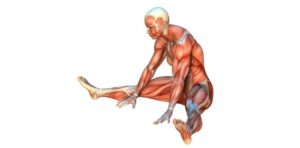
Muscle tissue helps the body use energy and plays an important role in glucose regulation. Maintaining muscle also becomes increasingly important as we get older because losing too much muscle can contribute to weakness, falls, frailty, and loss of independence.
The gradual loss of muscle with aging is known as sarcopenia. The transcript emphasizes that this process can begin much earlier than many people realize, rather than suddenly appearing when someone reaches their 60s or 70s.
That is why maintaining muscle throughout adulthood matters. You do not necessarily need a gym membership, expensive equipment, or complicated workout programs to start.
Bodyweight squats and push ups can provide a simple starting point. They allow you to work several major muscle groups without needing much space or equipment.
If a traditional push up is too difficult, you can modify it by doing push ups against a kitchen counter or another stable surface. If regular squats are difficult, you can use a chair for support by sitting down and standing back up.
The goal is consistency rather than showing off. Even 5 to 10 minutes of simple resistance exercises can become a useful foundation when you repeat them regularly and gradually build your strength.
6. Cut Back on Ultra-Processed Foods
The final habit is about food, and the transcript describes it as the foundation underneath everything else. The reason is simple: your body uses the nutrients from your food as raw materials for building and maintaining itself.
Your diet contributes to the materials your body uses for cell membranes, hormones, brain chemicals, and many other processes. That makes the overall quality of your diet an important part of long-term health.
Ultra-processed foods are often heavily formulated and may contain long lists of additives, refined ingredients, flavors, preservatives, and other components. The transcript argues that regularly eating large amounts of these foods can contribute to inflammation, metabolic problems, oxidative stress, and other processes associated with poor health.
A simple approach is to pay more attention to the ingredient list. If the ingredients are mostly familiar foods and basic kitchen ingredients, you may feel more comfortable making that food a regular part of your diet.
This does not mean you have to become obsessed with eating perfectly. The goal is to reduce your reliance on heavily processed foods and make whole or minimally processed foods a larger part of your everyday meals.
Foods such as meat, fish, eggs, vegetables, nuts, seeds, extra virgin olive oil, and whole grains can provide a much simpler foundation. They are not magical superfoods, but they are ordinary foods that can form part of a balanced diet.
These Habits Work Together
The six habits are not completely separate tricks. The transcript explains that they influence several of the same underlying systems, including mitochondrial function, blood sugar control, hormonal regulation, inflammation, and cellular repair.
Morning light helps set your internal body clock. A well-timed internal clock can support better sleep, and sleep is when the body carries out many important repair and recovery processes.

The overnight fasting period then gives your body more time without constantly processing incoming food. Walking after meals can help manage post-meal blood glucose, while resistance exercise helps preserve the muscle needed for strength and metabolic health.
Cold exposure is presented as another controlled stress that can stimulate adaptation. Cutting back on ultra-processed foods then removes some of the dietary factors that may work against the other healthy habits.
None of these habits has to be perfect. Their real power comes from repeating them consistently until they become ordinary parts of your life.
Aging Faster Does Not Happen Overnight
One of the most important points in the transcript is that serious health problems usually do not appear out of nowhere. The physical decline seen in older adults is often the result of years or even decades of accumulated habits.
Poor sleep for years, constant inactivity, loss of muscle, a diet dominated by processed foods, and very little time outdoors can gradually push the body in the wrong direction. Eventually, the consequences can become much more obvious.
The same principle works in the other direction. Small daily choices can accumulate over time and help support better physical function, metabolic health, strength, sleep, and overall well-being.
That is why it is worth thinking beyond quick fixes. You are not trying to completely transform your body in one weekend. You are trying to change the signals your body receives every single day.
You Do Not Have to Wait Until Something Goes Wrong
Modern healthcare is extremely important when people become sick, but the transcript makes a distinction between treating illness and preventing the habits that contribute to it. By the time someone develops serious health problems, some of the underlying damage may have been building for many years.
Doctors can treat conditions and help manage disease, but they cannot simply erase decades of unhealthy habits with one prescription. That is why taking responsibility for your everyday choices matters.
EDITORS' RECOMMENDATIONS


The encouraging part is that it is not necessarily too late to start. Even if you have ignored your health for years, changing what you do today can still move your daily routine in a healthier direction.
You can start with something incredibly simple. Go outside in the morning, take a short walk after your next meal, finish your shower with a brief period of cold water if it is appropriate for you, do a few squats or modified push ups, and make your next meal a little less processed.
You do not need to do everything perfectly on the first day. The important thing is to begin changing the daily inputs that your body receives.
Conclusion
Aging faster than you should is not necessarily something that happens all at once. The transcript’s central message is that your biological health is influenced by the daily choices you repeat for years, long before serious symptoms appear.
Morning light, an overnight break from food, walking after meals, brief cold exposure, regular resistance exercises, and eating fewer ultra-processed foods are all simple habits that can be worked into everyday life. None requires an expensive gym membership, a complicated routine, or a shelf full of anti-aging supplements.
The goal is not to stop aging completely. It is to give your body better conditions for repair, recovery, strength, and resilience as the years go by.
You cannot change the number of years you have already lived. But you can change many of the signals your body receives from this point forward, and according to the transcript, that is where the real opportunity lies.