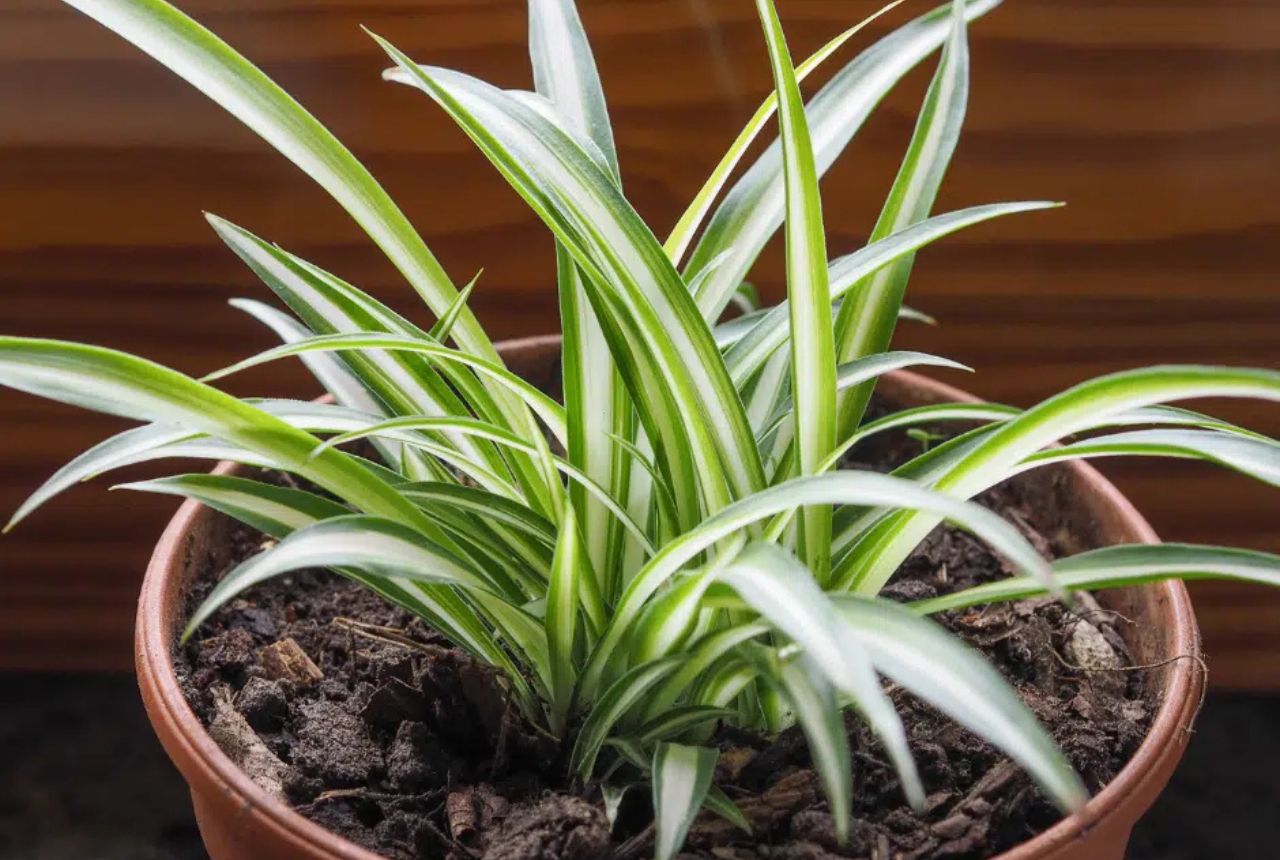
Chlorophytum comosum dominates the indoor gardening world for good reason. You see them everywhere—from high-end office lobbies to cozy studio apartments. They don’t just sit there looking pretty; they work for your living space. These plants feature arching, narrow leaves that create a fountain-like silhouette.
Most varieties offer striking variegation, usually a creamy white stripe running down the center or along the edges of the blade. This visual contrast adds immediate texture to any room. Beyond the looks, these plants represent the ultimate survivalist. They handle neglect that would kill a fiddle-leaf fig in days.
If you want a plant that gives more than it takes, start here. The spider plant adapts, grows, and thrives in conditions that mimic everything from a tropical forest floor to a dimly lit bedroom. It remains a staple of interior design because it bridges the gap between high-style aesthetics and rugged durability.
Beginners often fear the “black thumb” curse. The spider plant breaks that spell. It serves as the perfect gateway plant for anyone testing their gardening skills. You don’t need a degree in botany to keep this species alive.
Seasoned collectors also value them for their rapid growth cycles and the way they fill vertical space. Most houseplants grow slowly, testing your patience for years. Spider plants move fast. They push out new foliage constantly, rewarding your basic care with visible progress.
This speed creates a sense of accomplishment. When you see those first tiny white flowers or a new cluster of leaves, you feel like a pro. This confidence-boosting quality makes them the number one recommendation for new homeowners or college students looking to brighten a dorm.
Most people buy plants for the “vibe.” They want a pop of green to finish a room. While the spider plant delivers on style, its functional benefits outweigh its visual ones. It acts as a biological filter, a humidity regulator, and a safe roommate for your animals.
Think of this plant as a multipurpose household tool. It works 24/7 to scrub your environment while you sleep. It doesn’t demand expensive fertilizers or high-tech grow lights. It simply exists to make your home a healthier, happier place to inhabit.
1. They Improve Indoor Air Quality
Modern homes trap a surprising amount of invisible waste. Your carpet, your sofa, and even your pressed-wood desk off-gas chemicals. The spider plant acts as a natural bio-filter. It doesn’t just sit in the corner; it actively hunts for toxins.
NASA’s Clean Air Study famously highlighted this plant’s prowess. It excels at neutralizing formaldehyde, a common chemical found in glues and coatings. It also tackles carbon monoxide, making it a literal lifesaver in homes with gas appliances or wood stoves.
How It Works:
The plant uses its vast surface area to pull in air. It moves pollutants down to its root zone. Here, specialized microbes break down toxins into food for the plant. Simultaneously, the leaves perform photosynthesis, swapping your exhaled carbon dioxide for fresh, pure oxygen. It is a closed-loop purification system that costs nothing to run.
2. Low Maintenance and Easy to Grow
If you lead a busy life, you need a plant that respects your schedule. The spider plant is the ultimate “set it and forget it” greenery. It won’t wilt the moment you miss a watering. It stores reserves in its thick, tuberous roots, allowing it to survive periods of drought.
You can go on a week-long vacation without hiring a plant sitter. When you return, your spider plant will likely look exactly the same—or perhaps even better. This resilience makes it the perfect companion for frequent travelers or overworked professionals.
Care Tips:
- Light: Give them bright, indirect sun for maximum growth. They handle low-light corners, though they might lose some of their white striping.
- Water: Feel the soil. If the top inch is dry, give it a drink. They prefer a thorough soaking followed by a period of drying out.
- Temperature: They love the same temperatures you do. Keep them between 65-75°F, and they will stay happy year-round.
3. Non-Toxic and Pet-Friendly
Many popular houseplants hide a dark secret: they are poisonous. Lilies, pothos, and philodendrons can cause serious harm to curious cats and dogs. The spider plant is a safe haven. The ASPCA lists it as non-toxic, giving pet owners total peace of mind.
Cats, in particular, love the dangling “pups.” The movement mimics a toy, inviting them to swat and chew. While you should discourage your cat from eating the whole plant, a few nibbles won’t cause an emergency.
Some experts note that spider plants contain mild compounds that act like catnip. Your cat might experience a slight “high” or a mild stomach upset if they overindulge, but the plant lacks the dangerous calcium oxalate crystals found in other species. It is the gold standard for pet-safe decor.
4. They’re Natural Humidifiers
Dry air causes a host of health issues. It cracks your skin, irritates your throat, and makes you more susceptible to colds. Instead of buying a noisy, plastic humidifier, use biology. Spider plants are humidity powerhouses.
Through a process called transpiration, the plant pulls water from the soil and releases it through pores in the leaves. This adds a gentle, consistent mist to your indoor atmosphere.
Benefits of Improved Humidity:
- Respiratory Health: Moist air keeps your nasal passages lubricated, reducing snoring and irritation.
- Skin Hydration: It prevents that “winter itch” caused by dry, indoor heating.
- Static Control: Increased moisture in the air neutralizes static electricity, saving you from those annoying shocks when you touch a doorknob.
5. Perfect for Small Spaces
You don’t need a sprawling sunroom to enjoy greenery. Spider plants thrive in vertical space. Because their leaves and “babies” cascade downward, they are the undisputed kings of the hanging basket.
They occupy the “dead space” near your ceiling or on the edges of high bookshelves. This leaves your valuable floor and counter space clear for living. They are the interior designer’s secret weapon for making a small studio apartment feel like a lush jungle.
Decorating Tips:
- Hanging Baskets: Use macramé hangers to let the foliage drape naturally. This adds height to your room.
- High Shelves: Place a pot on top of a wardrobe. The leaves will spill over the side like a green waterfall.
- Wall Planters: Mount them directly to the wall to create a living art piece.
6. Natural Stress Relievers
The modern world is loud and demanding. Bringing a spider plant into your workspace creates a psychological buffer. Research shows that “green views” lower heart rates and reduce cortisol levels.
Looking at the rhythmic, arching patterns of a spider plant helps reset your brain. It provides a “micro-break” for your eyes, especially if you spend all day staring at a blue-light screen.
Psychological Benefits:
- Focus: Plants in the office increase productivity by up to 15%. They help you stay on task by creating a serene environment.
- Mood Boost: Caring for a living thing provides a sense of purpose and connection.
- Air Freshness: Cleaner air means fewer headaches and less fatigue, keeping your mental clarity sharp.
7. They Reproduce Easily
The spider plant is the “gift that keeps on giving.” Once the plant reaches maturity, it sends out long, wiry stems called runners. At the ends of these runners, tiny “spiderettes” develop. These are fully formed baby plants waiting for a home.
You can turn one plant into twenty in a single year. This makes them the most cost-effective hobby on the planet. You never have to buy another houseplant again if you learn to propagate these babies.
How to Propagate:
- Locate a “pup” with small brown bumps (root nubs) on the bottom.
- Snip the runner.
- Place the baby in a small jar of water or directly into moist potting soil.
- Wait two weeks. You now have a completely new plant with its own root system.
8. They’re Budget-Friendly
Decorating a home gets expensive fast. Art and furniture cost hundreds. A spider plant costs about the same as a fancy sandwich. Because they are so hardy and easy to grow, they offer the best return on investment in the plant world.
You aren’t just buying a temporary decoration; you are buying a multi-generational asset. Since they live for decades and reproduce constantly, the value only grows over time.
Money-Saving Tips:
- Propagate Gifts: Stop buying candles or wine for housewarmings. Give a potted spiderette instead. It’s personal, eco-friendly, and free.
- Mass Planting: Use your “babies” to fill a long planter box. It creates a high-end look for the price of a bag of soil.
- Longevity: Unlike flowers that die in a week, a spider plant lives for 20+ years with basic care.
Bonus: They’re Symbolic
In many traditions, the spider plant represents resilience and adaptability. Its ability to thrive in tough spots makes it a symbol of “finding a way” through adversity.
In Feng Shui, these plants are thought to bring good luck. Placing them in the “wealth” or “health” sectors of your home invites positive energy and growth. Whether you believe in the folklore or not, the vibrant, upward-reaching leaves undeniably add “good vibes” to any room.
How to Incorporate Spider Plants Into Your Home
Don’t just stick your plant in a dark corner. Use these strategies to maximize their impact:
- Bathroom Beautifiers: The high humidity from your shower makes the bathroom a tropical paradise for spider plants. They will grow faster here than anywhere else in the house.
- Kitchen Companions: Keep one near your stove. They will help scrub the air of cooking byproducts and nitrogen dioxide.
- Bedroom Bliss: Place one on your nightstand. You’ll breathe purer air all night, leading to deeper, more restorative sleep.
Common Challenges and How to Overcome Them
Even the toughest plants have their limits. If your plant looks sad, the fix is usually simple.
- Brown Leaf Tips: This is the most common complaint. It’s usually caused by chemicals in tap water like fluoride or chlorine. Switch to rain water or distilled water, and the new growth will be perfectly green.
- Pest Infestations: While rare, spider mites can appear if the air is too dry. Mist the leaves occasionally or wipe them with a damp cloth to keep pests away.
- Overwatering: If the leaves turn yellow and mushy, you’re loving it too much. Stop watering. Let the soil dry out completely before you touch it again.
Spider plants aren’t just decor; they are living health tools. They clean your air, boost your mood, and protect your pets. Whether you live in a mansion or a studio, there is a spot for a spider plant in your life.