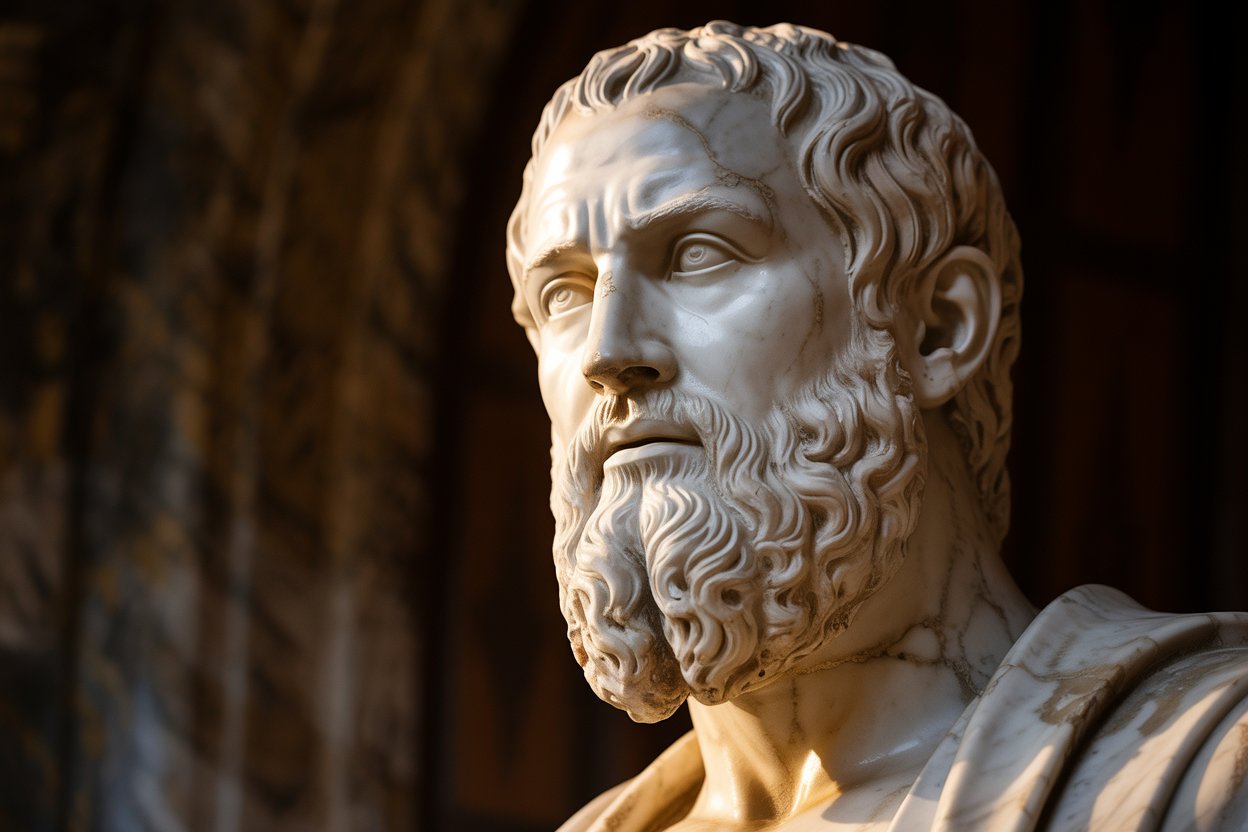
Ever felt like life’s a bit chaotic and you’re just trying to keep your head above water? That’s actually what got me hooked on Stoicism.
Honestly, it’s not about being super serious all the time or suppressing emotions—it’s more like a practical toolkit for living better every single day. I’ve tried a bunch of “self-improvement hacks,” but the Stoic method? It just clicks. Here’s how I integrate it into my daily routine, and trust me, you can too.
Morning Reflection and Preparation
I start every day with a few minutes of morning reflection. Seriously, it’s a game-changer. Before I even check my phone (yes, I know… that’s a struggle), I sit down, breathe, and think about what’s ahead. The goal isn’t to map out every tiny detail but to set intentions and mentally prepare for challenges.
Here’s my usual approach:
- Identify key priorities: I pick 1–3 things I absolutely want to accomplish. Keeps me focused and prevents me from chasing every shiny distraction.
- Visualize obstacles: Not to freak myself out, but to plan mentally how I’ll respond if things go sideways.
- Check my mindset: Am I approaching today with patience, resilience, or maybe a little extra frustration that I need to shake off?
I’ve found that spending even 5–10 minutes in this state makes the chaos of the day feel way more manageable. FYI, this isn’t some mystical morning ritual. Think of it as putting on mental armor—you’re ready for the day instead of reacting to it.
The Dichotomy of Control
One thing I had to really wrap my head around was the dichotomy of control. It’s a fancy Stoic way of saying: some stuff you can control, some stuff you can’t—and stressing over the latter is a total waste.
Here’s what I do in practice:

- Focus on actions, not outcomes: If I’m giving a presentation, I control my preparation, my energy, and my mindset—but not whether the audience loves it.
- Let go of results: I used to obsess over outcomes, like getting approval or recognition. Stoicism teaches me to do my best and let the chips fall where they may.
- Daily reminders: Sometimes, I literally write down “Control what you can, release what you can’t” and stick it where I can see it. Helps, trust me.
Honestly, IMO, this principle alone saves so much mental energy. Instead of stressing about traffic, bad weather, or other people’s moods, I channel that focus into things I can actively change. It’s like leveling up your emotional bandwidth.
Negative Visualization
This one sounds weird at first—negative visualization. Basically, it’s imagining things going wrong, so you’re not blindsided if they do. Sounds morbid, but hear me out—it’s actually freeing.
Here’s how I apply it:
- Imagine minor inconveniences: Missed train, unexpected emails, tech glitches. I picture myself staying calm and handling it. It’s low-stakes, but surprisingly effective.
- Imagine bigger challenges: Job setbacks, arguments, disappointments. By thinking through these scenarios, I reduce panic when they actually happen.
- Practice gratitude simultaneously: Weird combo, but while I imagine loss or hardship, I also remind myself of what I have—health, relationships, opportunities. Makes you appreciate life more.
This one took me a while to get used to. At first, I thought, “Why would I dwell on bad stuff?” But in reality, it builds mental resilience. When life throws curveballs, I’m like, “Yeah, I saw this coming. I’ve got this.”
Evening Review and Self-Examination
If mornings are about preparation, evenings are about reflection. This is the part where I review my day and check in with myself. It’s kinda like a personal stock-take—but for your mind and actions.

Here’s my method:
- What went well? Celebrating small wins is key. Did I stay calm in a tough situation? Did I make progress on a goal? Noticing these things reinforces good habits.
- What could I improve? No self-flagellation here. Just honest assessment. Maybe I reacted too quickly or procrastinated. Just noting it helps me adjust next time.
- Journaling: Writing down thoughts helps me see patterns and track growth. Even 5–10 minutes works.
I’ll be honest—sometimes I skip this, and I immediately notice the difference. The day feels unfinished, unresolved. When I do it, I sleep better, and I wake up motivated instead of stressed. Evening self-examination is low-key one of the most powerful Stoic tools.
Voluntary Discomfort
This one sounds hardcore, but it’s not about punishing yourself. Voluntary discomfort is simply practicing small, controlled challenges to build resilience. Think of it as exercising your mental toughness.
Some ways I do this:
- Cold showers: Brutal at first, but it trains me to tolerate discomfort. Plus, I feel invincible afterward.
- Skipping a luxury: Skipping a morning coffee or dessert occasionally reminds me I don’t need external comforts to be okay.
- Physical challenges: Long walks, minimal sleep occasionally, or difficult workouts. Builds grit and reinforces that I can handle more than I think.
IMO, these tiny discomforts make real-world problems feel smaller. They’re like rehearsals for life’s bigger challenges. And FYI, it’s super satisfying to look back and think, “Yeah, I chose to do something tough today.”
Wrapping It All Up
So, that’s the Stoic method in a nutshell—or at least how I live it day-to-day. To recap:

- Morning reflection: Sets your mental tone and priorities.
- Dichotomy of control: Focuses your energy on what you can actually influence.
- Negative visualization: Builds resilience and gratitude.
- Evening review: Helps track progress, celebrate wins, and course-correct.
- Voluntary discomfort: Strengthens mental toughness and perspective.
Honestly, IMO, incorporating even a couple of these practices can make a huge difference. It’s not about being perfect or emotionless—it’s about continuous self-improvement and conscious living.
If you take anything from this article, let it be this: Stoicism isn’t some ancient, dusty philosophy—it’s a toolkit for real life, every day. Try adding just one of these practices tomorrow and see how it feels. Who knows? You might end up like me, hooked on daily reflection and secretly loving cold showers.
Remember, it’s not about changing overnight. It’s about tiny, consistent steps that accumulate into real growth. So, grab your journal, take a deep breath, and start your Stoic journey today. You’ve got this.