Stop buying new snake plants every time you want to fill a corner of your home. Seriously, I used to drop $30 at the nursery every month until I realized these plants are basically living vending machines for free babies. Once you learn the “language” of the Sansevieria, you can essentially print your own greenery.
I remember staring at my first Sansevieria trifasciata for an entire year, wondering why it just sat there like a plastic statue. It turns out, I was being way too nice to it. Snake plants actually thrive on a bit of strategic neglect and specific environmental triggers to kick their reproductive cycle into high gear.
In this guide, I’m sharing the exact blueprint I use to force my plants to churn out “pups” like clockwork. We aren’t just talking about luck here; we are talking about hacking the plant’s biology to get unlimited Sansevierias for your collection or to give away to friends.

Understanding Snake Plant Pups
Before we start “forcing” anything, we need to know what we are actually looking for. If you are new to the plant world, the terminology might feel a bit weird, but it’s actually pretty simple once you see it in action.
What Are Pups?
Pups are the offshoots or baby plants that grow from the base of the “mother” snake plant. They don’t grow from seeds in your living room; instead, they sprout from the rhizome, which is a thick, horizontal underground stem. Think of it like a subterranean umbilical cord that feeds the baby until it’s strong enough to survive on its own.
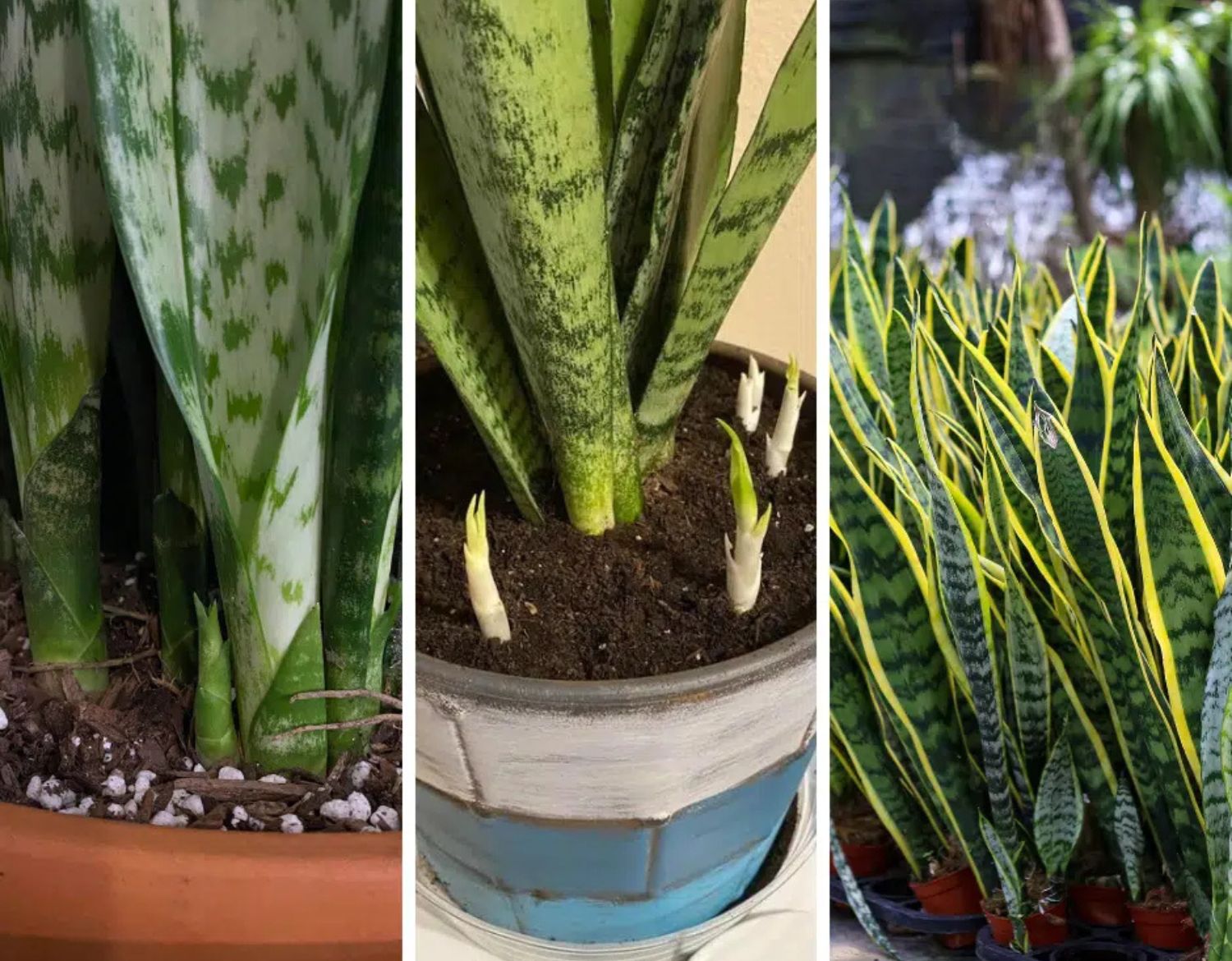
When a pup first emerges, it looks like a tiny, pointed cone breaking through the soil surface. IMO, seeing that little green spike for the first time is one of the most rewarding feelings for any plant parent. These babies are genetically identical to the parent plant, so you know exactly what you’re getting.
Why Snake Plants Make Pups
In the wild, snake plants produce pups as a survival mechanism. They want to colonize as much ground as possible to ensure their lineage continues. If the mother plant feels like she has enough resources—or, conversely, if she feels a slight bit of “good” stress—she sends out rhizomes to start new life.
Understanding this balance is key. If the plant is struggling to survive, it won’t have the energy to make babies. If it’s too comfortable and has infinite space, it might just keep growing taller instead of wider. We want to find that sweet spot where the plant feels established enough to expand its family.
How Long It Takes for a Pup to Appear
Patience is a virtue, but let’s be real—we want results. Usually, a healthy snake plant in the right conditions will produce pups every 4 to 6 months during the growing season. However, if your plant is dormant during winter, you might not see any movement for half a year.
I’ve had some stubborn plants take a full year to produce their first pup, while others went crazy after a simple repotting. The timeline depends heavily on the variety of Sansevieria you own and how closely you follow the “forcing” steps I’m about to give you. FYI, the birds-nest varieties (like Sansevieria hahnii) tend to pup much faster than the tall, upright types.

Key Factors That Trigger Pup Production
You can’t just yell at your plant and expect babies. You have to manipulate its environment to convince it that “now” is the perfect time to reproduce. These five factors are the foundation of a pup-heavy plant.
1. Plant Maturity
A baby plant cannot have babies. If you just bought a tiny 4-inch pot with a single leaf, you need to let it grow up first. Most snake plants need to be at least 1 to 2 years old or have a well-developed root system before they even think about producing offshoots.
I’ve noticed that the “mother” plant usually needs a minimum of three to four full-sized leaves to support a pup. The mother provides all the nutrients to the baby through the rhizome for several weeks. If she isn’t strong enough, she will prioritize her own survival over making a pup.

2. Healthy Rhizomes
The rhizome is the engine room of the snake plant. These are those thick, orange, potato-like structures you see when you take the plant out of its pot. If these are mushy or brown, you have rot, and you definitely won’t get pups.
Healthy rhizomes should be firm and bright orange or white. To keep them healthy, you must use a soil that breathes. Oxygen is just as important as water for rhizome development, so never let your plant sit in a swampy mess of heavy potting soil.
3. Sufficient Light
This is the biggest myth in the plant world: “Snake plants love low light.” No, they survive in low light, but they thrive and pup in bright light. If your plant is in a dark corner, it is in survival mode, not growth mode.
Think of light as the fuel for the “baby-making” factory. Without enough light, the plant won’t have the excess glucose it needs to build new structures. Moving my plants from a dim hallway to a bright east-facing window was the single biggest game-changer for my propagation success.
4. Root Crowding
Snake plants are a bit claustrophobic in a good way. They actually prefer being slightly root-bound. When the roots hit the edges of the pot, it signals to the plant that it has “conquered” its current territory and it’s time to send up new shoots.
If you put a small snake plant in a massive pot, it will spend all its energy growing roots to fill that space. You won’t see a single pup above the soil for years. Keep them in a snug environment to encourage that upward and outward growth.
5. Seasonal Timing
Plants have internal clocks. While you can grow them year-round indoors, they still respond to the longer days of Spring and Summer. This is the prime time for “forcing” pups.
I always start my heavy fertilization and light-boosting routines in late March. By June or July, the soil is usually bursting with new spikes. Trying to force pups in the dead of December is usually a waste of effort, as the plant naturally wants to rest.

8 Effective Ways to Force a Snake Plant to Produce Pups
Now for the “meat” of the process. Follow these eight steps, and you’ll have more plants than you know what to do with.
1. Provide Bright, Indirect Light
Light is the most important ingredient. While they can take some direct morning sun, harsh afternoon rays might scorch the leaves. Aim for a spot where the plant gets consistent, bright light for at least 6-8 hours a day.
What to Do:
- Place your plant near a south or east-facing window for the best results.
- Use a sheer curtain if the sun feels too hot on your own skin.
- Rotate the pot 90 degrees every week so all sides of the plant get equal energy.
2. Use a Snug Pot to Encourage Pup Growth
As I mentioned earlier, a big pot is the enemy of the pup. You want the roots to feel the “walls” of their home. This pressure triggers the rhizome to send shoots upward rather than just spreading roots outward.
What to Do:
- Choose a pot that is only 1-2 inches wider than the current root ball.
- Opt for terracotta pots, as they allow the soil to breathe and prevent the “over-potting” moisture issues.
3. Allow the Soil to Dry Between Waterings
Snake plants are succulents. They store water in their thick leaves. If you water them too often, you’ll kill the rhizome. A thirsty plant is a motivated plant; it will grow deeper roots and more pups to find stability.
Watering Tips:
- Wait until the soil is 100% dry all the way to the bottom of the pot.
- Use a wooden skewer to check; if it comes out clean, it’s time to water.
- Drench the soil until water runs out of the drainage holes, then don’t touch it for weeks.
4. Fertilize During the Growing Season
You can’t build a baby out of thin air. The plant needs nutrients, specifically phosphorus, to encourage root and rhizome development. I use a balanced fertilizer but lean toward one with a slightly higher middle number (N-P-K).
What to Use:
- Select a balanced liquid fertilizer (like a 10-10-10) diluted to half strength.
- Apply the fertilizer once a month only during the Spring and Summer.
- Avoid fertilizing in the winter, as this can lead to salt buildup and root burn.
5. Stress the Plant Slightly to Encourage Offshoots
This sounds mean, but a “perfect” environment can sometimes make a plant lazy. In nature, a plant that thinks it might be reaching its limit will produce offspring to ensure the species survives. This is called procreative stress.
What to Do:
- Let the plant stay in the same pot until you actually see the pot bulging or cracking.
- Withhold water for an extra week past the point you would usually water.
- Keep the temperature on the warmer side (70-80°F) to mimic a tropical summer.
6. Divide the Plant to Promote Pup Growth
Sometimes a plant is so crowded it has no room to breathe. By dividing a large clump, you “reset” the plant. The act of cutting the rhizome often stimulates the dormant nodes on that stem to wake up and grow.
How to Divide:
- Remove the entire plant from the pot and shake off the excess dirt.
- Use a sterilized knife to cut the thick rhizome connecting different sections.
- Ensure each section has at least one healthy leaf and some roots before repotting.
7. Trim Older Leaves to Redirect Energy to Pups
If a plant is supporting 20 old, tattered leaves, it’s spending a lot of energy just maintaining them. By removing the oldest, outer leaves, you tell the plant to redirect its resources elsewhere—usually into new underground growth.
What to Do:
- Identify leaves that are yellowing, scarred, or flopping over.
- Cut them as close to the soil line as possible with a clean blade.
- You can actually propagate those leaf cuttings in water while the main plant works on pups!
8. Use the Right Soil Mix for Optimal Growth
Standard potting soil is too heavy. It stays wet for too long and suffocates the rhizomes. If the rhizome is struggling to breathe, it definitely won’t produce pups. You need a mix that feels gritty and loose.
Best Soil Mix:
- Mix 50% succulent soil with 50% perlite or pumice for maximum drainage.
- Add a handful of orchid bark to create air pockets that rhizomes love to grow into.

The One Trick for More Pups: Root Tip Pruning
If you’ve tried everything and your plant is still being stubborn, it’s time for my “secret weapon.” Root tip pruning is a technique that mimics the natural nibbling of roots by insects or animals, which triggers a massive growth response.
How to Do It:
This process sounds scary, but snake plants are incredibly resilient. Think of it like getting a haircut for your roots.
- Gently remove the plant from its pot. Do this when the soil is dry so it slides out easily.
- Brush away the soil to reveal the network of roots and the thick orange rhizomes.
- Trim 1–2 cm from several fine roots. Use sharp, clean scissors. Never cut the thick rhizomes during this step—just the thin, hair-like feeder roots.
- Repot in fresh soil, water lightly, and return to bright light. This “injury” signals the plant to go into overdrive to repair and expand.
Results: You will typically see pups emerge in 4–8 weeks during the growing season as the plant overcompensates for the root loss.

How to Remove and Replant Snake Plant Pups
Once you’ve successfully forced a pup, you eventually need to decide if you want to keep the “clump” look or start a new pot. IMO, a single mother plant looks best with about 2-3 pups around her before it starts looking messy.
Step-by-Step Guide:
- Wait Until the Pup Is Large Enough: Never remove a pup too early. Wait until it is at least one-third the height of the mother plant. It needs its own established root system to survive the “surgery.”
- Gently Remove the Plant: Tip the pot over and slide everything out. You need to see where the pup connects to the mother.
- Separate the Pup from the Rhizome: Use a sharp, sterile knife to cut the “umbilical” rhizome. Try to leave as much of the pup’s own root system intact as possible.
- Plant the Pup: Put the baby in a small pot with the succulent mix we discussed. Don’t bury it too deep; keep the soil at the same level it was in the original pot.
- Water Lightly: Don’t soak it immediately. Wait a few days for the “cut” on the rhizome to callus over (dry out). This prevents rot. Then, water it lightly and treat it like a mini-adult.
Signs Your Snake Plant Is Ready to Produce Pups
How do you know if your “forcing” methods are working? Look for these “pre-pup” signs:
- Cracking Soil: If you see the soil surface lifting or cracking near the edge of the pot, a pup is likely pushing upward.
- The “Bulge”: If you use plastic nursery pots, you might see a literal bump in the side of the pot where a rhizome is pressing against it.
- Increased Water Consumption: If your plant starts drying out faster than usual, it’s likely building new tissue underground.
- New Leaf Growth: A sudden burst of height in the mother plant usually precedes the arrival of a baby.
Troubleshooting Problems
Sometimes things go sideways. Use this table to diagnose why your “unlimited plant” factory has stalled.
| Problem | Cause | Solution |
| No pups after 6 months | Insufficient light or dormant season | Move to a brighter window; wait for Spring. |
| Pups are turning yellow | Overwatering or poor drainage | Check for rot; reduce watering frequency immediately. |
| Pup stops growing | Separated too early from mother | Leave it attached longer next time; use a humidity dome. |
| Mother plant is leaning | Pot is too small or roots are weak | Stake the plant or repot into a slightly heavier base. |
| Soil is staying wet | Potting mix is too heavy | Repot with 50% perlite or pumice for better airflow. |
Month-by-Month Pup Production Calendar
Follow this schedule to maximize your “crop” of Sansevierias throughout the year.
| Month | Care Focus | Pup Strategy |
| March – April | Awakening | Increase light; start monthly half-strength fertilization. |
| May – June | Peak Growth | Perform “root tip pruning” if no pups have appeared yet. |
| July – August | Maintenance | Check for pups; separate and repot those that are 1/3 mother size. |
| September – October | Slow Down | Reduce fertilizer; allow the plant to harden off for cooler weather. |
| November – February | Dormancy | Stop fertilizing; water only once a month; let the plant rest. |
Conclusion
Forcing a snake plant to produce pups isn’t about being a “master gardener”—it’s about understanding what makes the plant feel secure yet challenged. By providing intense light, a snug pot, and the occasional “strategic stress” of root pruning, you can turn a single plant into a lifetime supply of greenery.
Remember, the biggest mistake is being too “helpful” with the watering can. Give your plant the space and the light it needs, and it will reward you with more babies than your windowsills can handle. It’s honestly the most cost-effective way to decorate your home, IMO.
Would you like me to help you draft a specific care schedule for a different variety of snake plant, like the Whale Fin or the Cylindrica?