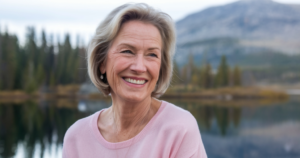
Ever notice how some people seem ageless in the best way? I don’t mean wrinkle-free or obsessed with anti-aging creams.
I mean the ones who feel light, curious, and energized no matter the number on their birthday cake. I’ve met people like this, and honestly, they fascinate me.
Psychology backs this up too. People who feel younger than their age usually practice specific daily habits that shape how they think, move, and connect with the world.
I’ve picked up a few of these habits myself over the years, and I can tell you they change how life feels on a regular Tuesday—not just on big milestones.
Let’s talk about the nine habits psychology links to a younger inner age, friend to friend.
1. They Stay Curious About the World
People who feel younger never stop asking questions. They don’t assume they already know how things work. Curiosity keeps their minds flexible, alert, and playful, which psychology links directly to cognitive youthfulness.
I’ve noticed this trait in people who feel mentally sharp well into later years. They read random articles, ask “why” during conversations, and explore topics outside their comfort zones. Curiosity turns everyday life into something interesting instead of predictable.
This habit often shows up in small ways, like:
- Trying new foods without overthinking it
- Asking younger people about trends instead of mocking them
- Exploring ideas even when they disagree at first
Curiosity signals to your brain that life still holds surprises. That mindset keeps boredom away and energy high. IMO, curiosity works like mental cardio—it keeps your brain moving even when your body slows down a bit.
2. They Embrace Being a Beginner
People who feel younger don’t fear looking bad at something new. They jump into hobbies, skills, and interests without needing instant mastery. Psychology links this beginner mindset to lower stress and higher motivation.
I’ve personally struggled with this one. I used to quit things fast because I hated feeling awkward. Once I allowed myself to be bad at something, learning felt fun again. That shift alone made life feel lighter.
This habit shows up when people:

- Take classes with zero experience
- Ask basic questions without embarrassment
- Laugh at early mistakes instead of hiding them
Beginners stay mentally young because they stay open. They don’t tie self-worth to competence. FYI, your brain releases more dopamine when you learn new skills, and that chemical plays a huge role in feeling energized and optimistic.
3. They Prioritize Physical Movement
People who feel younger move their bodies regularly, but they don’t obsess over intense workouts. They focus on movement that feels good and sustainable. Psychology shows that movement improves mood, memory, and emotional regulation.
I’ve seen this firsthand. On days when I walk, stretch, or dance around my room, my mind feels clearer and my patience improves. Movement shifts your energy faster than almost anything else.
These people often choose:
- Walking instead of sitting too long
- Stretching instead of ignoring stiffness
- Playful movement over strict routines
Movement sends your brain a signal that you’re still alive and engaged. You don’t need perfection. You need consistency and enjoyment. When movement feels like self-care instead of punishment, youthfulness follows naturally.
4. They Maintain Social Connections Across Generations
People who feel younger don’t limit their social circles to their own age group. They talk to younger people, older people, and everyone in between. Psychology links cross-generational relationships to emotional flexibility and reduced loneliness.
I’ve learned so much just by listening to people outside my age range. Younger people bring fresh perspectives. Older people bring calm wisdom. That mix keeps conversations stimulating and grounded.
This habit often looks like:
- Mentoring someone younger
- Staying open to friendships that feel “unexpected”
- Learning slang, stories, or values without judgment
Social variety keeps your emotional world flexible. When you connect across generations, you avoid mental stagnation. You stay adaptable, empathetic, and curious, which all support a younger self-perception.
5. They Adapt to New Technology
People who feel younger don’t resist technology just because it feels unfamiliar. They approach new tools with curiosity instead of frustration. Psychology connects adaptability with higher confidence and reduced anxiety around change.
I won’t pretend every app excites me. Still, learning basic tech skills always gives me a confidence boost. Each small win reminds me I can still learn and adjust.
They usually:

- Learn enough tech to stay connected
- Ask for help instead of giving up
- Treat mistakes as part of the process
Adapting to technology reinforces a growth mindset. You prove to yourself that you can keep up with change. That belief alone helps you feel capable, relevant, and mentally young.
6. They Focus on Experiences Over Possessions
People who feel younger invest more in memories than in stuff. Psychology shows experiences create longer-lasting happiness than material possessions. Experiences also strengthen identity and emotional richness.
I remember trips, conversations, and spontaneous moments far more than anything I’ve bought. Experiences shape stories, and stories keep life feeling full.
This habit often includes:
- Choosing trips over upgrades
- Valuing shared moments over status symbols
- Collecting memories instead of clutter
Experiences expand how you see yourself. They stretch your comfort zone and reinforce personal growth. When life feels meaningful, age loses its power to define how you feel.
7. They Practice Gratitude Without Toxic Positivity
People who feel younger practice gratitude honestly. They don’t force positivity or ignore pain. Psychology shows balanced gratitude improves emotional resilience without emotional suppression.
I appreciate this approach deeply. Some days hurt, and pretending otherwise drains energy. Honest gratitude lets you acknowledge difficulty while still noticing what supports you.
Healthy gratitude looks like:
- Appreciating small wins
- Accepting bad days without guilt
- Holding joy and frustration at the same time
This mindset keeps emotions flexible instead of rigid. Emotional flexibility supports mental youthfulness. When you allow feelings to move, they don’t weigh you down.
8. They Keep Evolving Their Identity
People who feel younger don’t lock themselves into one version of who they are. They allow identity to shift with experience. Psychology links identity flexibility to confidence and lower fear of aging.
I’ve changed interests, opinions, and goals over time. Each change felt scary at first, then freeing. Growth doesn’t erase who you were—it adds layers.
They often:
- Redefine goals as life changes
- Let go of outdated labels
- Explore new roles without guilt
An evolving identity keeps life interesting. When you stop clinging to the past, you create space for future excitement. That forward focus fuels a younger mindset.
9. They Choose Growth Over Comfort
People who feel younger regularly choose growth even when comfort tempts them. Psychology shows personal growth fuels motivation and long-term satisfaction. Comfort alone rarely delivers excitement.
I won’t lie—growth feels uncomfortable. Still, every time I push slightly beyond comfort, I feel more alive afterward. That feeling sticks.
This habit includes:
- Taking small risks
- Challenging limiting beliefs
- Choosing learning over ease
Growth keeps your inner world expanding. When you grow, life doesn’t shrink around routine. You stay engaged, hopeful, and energized regardless of age.
Final Thoughts
Psychology makes one thing clear: feeling younger than your age has less to do with genetics and more to do with daily habits. Curiosity, movement, connection, and growth shape how life feels on a moment-to-moment level.
You don’t need to adopt all nine habits at once. Start with one that feels doable. Try curiosity this week. Add movement next week. Small shifts add up fast.
If nothing else, remember this—youth lives in how you engage with life, not in how many years you’ve lived. That truth alone can change how tomorrow feels.