You probably know this person. Maybe you grew up with them. Maybe you are them.
They handled every crisis, fixed every problem, and carried everyone else’s emotional weight without hesitation. They never broke down in front of anyone. They became the rock, the protector, and the one everyone depended on. But something strange often happens after 65. That same strong person quietly becomes the loneliest person in the room, even when family surrounds them.
I’ve seen this happen in my own family, and honestly, it shocked me. The strongest person everyone admired slowly faded into emotional isolation. Not because people stopped loving them, but because everyone assumed they didn’t need anything. Strength became their prison.
Let’s talk about why this happens and what it really means.
The identity trap of being “the strong one”
When someone spends decades as “the strong one,” they stop seeing strength as something they do and start seeing it as who they are. That identity forms early. They solve problems, stay calm during chaos, and protect everyone else from emotional pain.
Over time, this role stops feeling optional. They don’t ask, “Should I be strong right now?” They simply act strong automatically. Their brain links love and value to usefulness, not vulnerability.
I watched my uncle live this exact pattern. He never complained, even during serious health issues. He smiled, reassured everyone, and said, “I’m fine,” even when he clearly struggled. He believed he had to protect others from worry.
This identity trap creates three dangerous habits:
- They hide their emotional needs
- They avoid asking for help
- They believe weakness will disappoint others
These habits feel noble, but they slowly create emotional distance. People stop checking in deeply because they assume everything stays under control.
IMO, the biggest danger comes from this silent agreement. Everyone expects strength, and the strong person delivers it, even when it hurts them. That pattern continues for decades. By the time they reach 65, they don’t know how to stop.
Strength stops serving them. Strength starts isolating them.
How the slow fade happens
Loneliness after 65 rarely arrives suddenly. It creeps in slowly and quietly.
In younger years, responsibility keeps the strong person busy. They raise kids, support spouses, and manage family crises. Purpose fills their emotional space, so loneliness doesn’t fully surface.
But aging changes everything.
Children grow independent. Careers end. Daily responsibilities shrink. Suddenly, fewer people need constant protection or guidance. The strong person loses the role that gave their life structure.
This shift creates emotional confusion. They don’t lose love, but they lose daily emotional relevance.
I noticed this shift clearly in my father after retirement. He spent decades solving problems for everyone. After retirement, nobody called him for advice as often. He didn’t complain, but I saw the change in his energy.
Three key changes accelerate the fade:
- People assume they want peace and space
- Family members stop sharing deeper emotional struggles
- Social circles shrink naturally with age
The strong person rarely protests. They adapt quietly. They don’t want to burden anyone.
But inside, something changes. They stop feeling needed, and humans need to feel needed.
This creates a silent emotional vacuum. No arguments. No drama. Just quiet distance.

The health consequences are staggering
Loneliness doesn’t just affect emotions. It affects physical health in serious ways.
When someone carries emotional isolation for years, their body responds with chronic stress. Stress hormones remain elevated, and recovery slows down.
Loneliness after 65 increases risks across multiple areas:
- Higher risk of heart disease
- Faster cognitive decline
- Increased depression and anxiety
- Weakened immune system
- Shorter overall lifespan
These effects don’t come from weakness. They come from emotional deprivation.
Strong people often suppress emotions for decades. That suppression forces the nervous system into constant alert mode. Their body never fully relaxes.
FYI, emotional safety matters just as much as physical safety. The brain needs connection to regulate stress.
I saw this firsthand with a family friend. He stayed emotionally closed his entire life. After retirement, his physical health declined rapidly, even though doctors found no major disease early on. His loneliness affected his body more than anyone expected.
The body keeps score of emotional isolation, even when the person never speaks about it.
Connection heals. Isolation slowly damages.
Why nobody checks in
This part breaks my heart because it comes from misunderstanding, not cruelty.
People don’t ignore the strong person on purpose. People assume strength means emotional independence.
Family members often think:
- “They don’t need reassurance.”
- “They always handle things.”
- “They prefer privacy.”
- “They’ll tell us if something’s wrong.”
These assumptions feel logical, but they create emotional neglect.
The strong person also contributes to this pattern. They hide discomfort and present confidence consistently. Others follow their lead.
People respond to the emotional signals they see.
If someone never shows vulnerability, others rarely offer emotional support. They don’t want to insult their strength.
I remember asking my dad once if he felt lonely. He laughed and brushed it off instantly. That reaction taught everyone around him to stop asking deeper questions.
Strength trains others to step back.
This creates a painful paradox. The stronger someone appears, the less emotional support they receive.
Nobody checks in because nobody thinks they need to.
The loneliness isn’t what you think it looks like
Most people imagine loneliness as visible sadness. They picture someone crying, withdrawing, or openly expressing isolation.

But strong people rarely show loneliness that way.
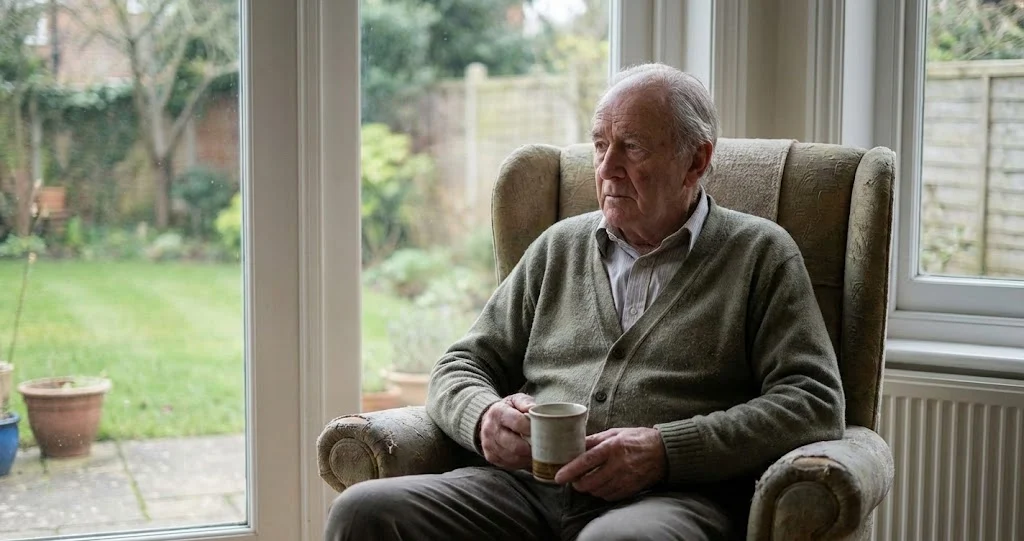
They smile. They give advice. They stay calm and composed. They maintain their reputation as the emotional anchor.
Their loneliness hides behind competence.
They don’t lack people around them. They lack emotional openness around them.
This creates a specific type of isolation. They participate socially, but they don’t feel emotionally seen.
I’ve sat in rooms full of family members and noticed this dynamic clearly. Everyone talked, laughed, and connected. But the strongest person stayed emotionally distant, even while participating.
They listened more than they shared.
They protected others from discomfort, even in their own vulnerable years.
Their loneliness shows up as:
- Emotional restraint
- Limited vulnerability
- Reduced emotional expression
- Quiet internal isolation
They don’t want pity. They want understanding.
But nobody offers it because nobody recognizes the need.
What makes this different from ordinary loneliness
Ordinary loneliness often comes from lack of social interaction. People feel isolated because they lack connection opportunities.
This situation works differently.
The strong person often has people around them. They lack emotional reciprocity, not physical presence.
They spent decades supporting others emotionally. They rarely received the same depth of support in return.
This creates emotional imbalance.
Their brain adapts to giving, not receiving.
Receiving support starts feeling unfamiliar or uncomfortable. They don’t know how to accept care easily.
This difference creates unique emotional barriers:
- They feel uncomfortable expressing vulnerability
- They fear burdening others
- They protect their identity as dependable
- They struggle to ask for emotional reassurance
I’ve noticed that strong people often deflect support. They change the subject or make jokes. They protect others from their emotional reality.

Their loneliness comes from emotional invisibility, not physical isolation.
That distinction matters deeply.
Ordinary loneliness responds quickly to increased social activity. This loneliness requires emotional safety, not just social presence.
What needs to change
This pattern doesn’t fix itself automatically. Families and individuals must actively break it.
First, families must stop assuming strength equals emotional immunity. Strong people need emotional support just like everyone else.
Simple actions make a powerful difference:
- Ask deeper emotional questions
- Listen without immediately offering solutions
- Encourage vulnerability without judgment
- Express appreciation openly
- Offer emotional presence, not just practical help
These actions create emotional permission.
Strong people also need to relearn emotional openness. That process feels uncomfortable at first, but it strengthens connection.
I’ve started asking my father more personal questions. At first, he resisted. Over time, he opened up more. Our relationship became deeper and more meaningful.
Connection grows when someone creates safe emotional space.
Strong people don’t need rescuing. They need understanding.
They need permission to stop carrying everything alone.
strength deserves support too
People who were always the strong one in the family often become the loneliest person in the room after 65, not because people stop loving them, but because everyone assumes they don’t need support.
Their identity protects others but isolates them emotionally. Their strength earns admiration but limits emotional reciprocity. Their silence preserves peace but sacrifices connection.
The good news? Awareness changes everything.
You can break this pattern today. Check in with the strong person in your life. Ask real questions. Listen deeply. Show them they don’t need to carry everything alone.
And if you recognize yourself in this story, remember this truth: strength includes allowing yourself to be seen, heard, and supported.
Even the strongest person deserves someone who says, “You don’t have to be strong right now.”