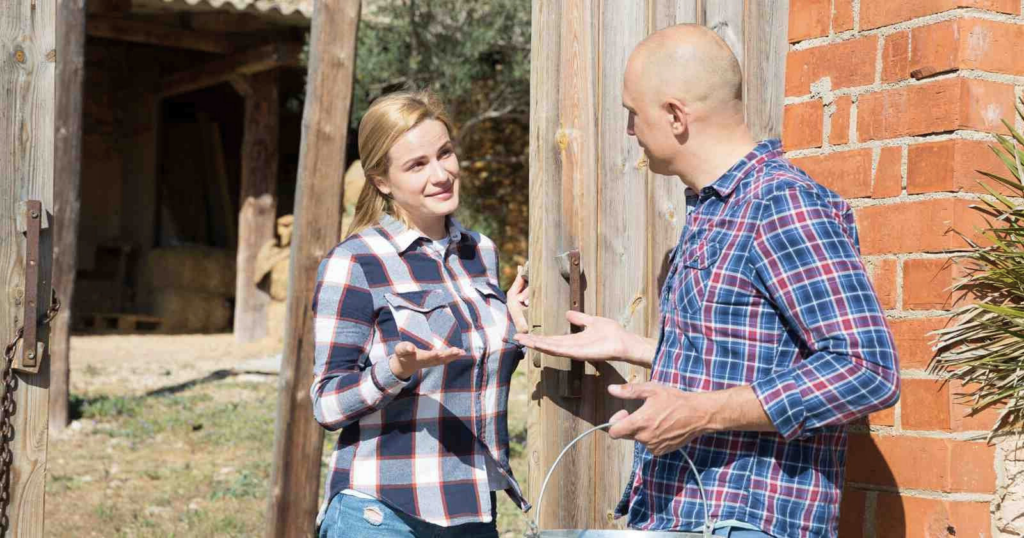
If you grew up in the 60s and 70s, chances are you learned some things that quietly shaped how you live, think, and connect with people today. You didn’t sit through formal classes to learn them. Life simply handed them to you, one everyday moment at a time.
I still catch myself reacting to modern situations using lessons that feel almost old-fashioned now. Funny thing is, those lessons still work. They still make life richer, calmer, and more grounded. Let’s talk about the ones that defined a generation and somehow slipped out of today’s classrooms.
Embrace Offline Connections
Back then, connection happened face-to-face or not at all. You didn’t text ahead or scroll past people. You showed up, knocked on doors, and actually talked. I remember long conversations on porches, eye contact that mattered, and laughter that didn’t need filters.
People learned how to listen without distractions. No buzzing phones. No multitasking. You paid attention because that person stood right in front of you. That habit built patience and empathy without anyone labeling it as emotional intelligence.
Offline connections also taught accountability. When you said something, you owned it. You couldn’t delete a sentence or block a person. That reality encouraged honesty and thoughtfulness in everyday interactions.
Some things offline connections quietly taught us include:
- Reading body language and tone
- Respecting silence in conversations
- Valuing presence over constant availability
- Building trust through consistency
IMO, these skills still matter more than any app feature. They create deeper bonds and fewer misunderstandings. People today crave connection, yet many forget that genuine relationships grow best when screens stay out of the way.
Resourcefulness Was Our Superpower
Growing up in the 60s and 70s meant learning how to make things work with what you had. Nobody rushed to buy replacements. You improvised. You adapted. You figured it out.
I remember turning ordinary objects into tools, toys, or solutions. A cardboard box became a spaceship. A broken chair became a repair project instead of trash. That mindset trained us to think creatively under pressure.
Resourcefulness also taught confidence. When you fix problems yourself, you trust your abilities more. You stop panicking when things go wrong because you know you can handle discomfort.
Key lessons resourcefulness gave us include:
- Problem-solving without instant help
- Using imagination instead of money
- Respecting what you already own
- Staying calm when plans fall apart
FYI, this lesson still pays off today. Resourceful people handle uncertainty better. They don’t freeze when systems fail or budgets tighten. They adjust and keep moving forward.
Growing Up With Only Three TV Channels
Only having three TV channels sounds unthinkable now, yet it shaped patience and creativity in powerful ways. You couldn’t binge-watch or customize entertainment. You worked around schedules and accepted limits.

I remember planning evenings around specific shows. If you missed it, you missed it. That reality taught responsibility and time awareness without lectures or planners.
Limited television also encouraged alternative fun. Kids played outside. Families talked. Imagination filled the gaps when screens stayed silent.
That experience quietly taught:
- Delayed gratification
- Shared experiences instead of personalized feeds
- Contentment with limited choices
- Creativity during boredom
Modern life pushes endless options, yet endless options often overwhelm people. Growing up with less trained us to appreciate what we had instead of constantly searching for more.
The Art of Fixing Things
When something broke, you didn’t toss it out. You examined it. You learned how it worked. Then you fixed it or tried until you did.
I watched adults take pride in repairs. Fixing things felt like a skill and a responsibility. That habit built patience and respect for craftsmanship.
Fixing things also taught resilience. Failure didn’t end the process. Each mistake taught something new. That mindset carried over into work, relationships, and personal challenges.
Lessons from fixing things include:
- Persistence through trial and error
- Understanding systems instead of replacing them
- Pride in self-reliance
- Respect for labor and materials
People today replace faster than they repair. That shift costs more than money. It weakens confidence and disconnects people from how things actually work.
Neighbors Were Family
Neighbors once felt like extended family. People checked on each other. Kids belonged to the block, not just one house. Community happened naturally.
I remember borrowing sugar without hesitation and returning favors without keeping score. That culture built trust and shared responsibility.

Neighbors taught accountability too. Everyone knew everyone. Actions carried social weight, and kindness traveled fast.
That environment reinforced:
- Mutual support during hard times
- Shared childcare and watchfulness
- Everyday kindness without expectation
- Respect for community spaces
Strong communities still exist, but they require intention now. Back then, community formed organically through proximity and presence.
Letters Carried More Than Words
Letters demanded effort. You chose paper, sat down, and thought before writing. Each sentence mattered because delivery took time.
I remember the excitement of receiving handwritten letters. The wait built anticipation. The words felt heavier because someone invested time and care.
Letters also encouraged reflection. You couldn’t fire off impulsive responses. You paused, rewrote, and considered tone.
Letters taught us:
- Thoughtful communication
- Patience with response time
- Emotional honesty
- The value of anticipation
Today’s instant messaging moves fast, yet depth often gets lost. Letters slowed communication in a way that strengthened meaning.
Learning to Appreciate the Simplest Joys
Joy didn’t require upgrades or algorithms. It showed up in simple moments. Fresh air. Shared meals. Laughter without recordings.
I remember appreciating ordinary days without labeling them special. Happiness didn’t always need an event or purchase.
This mindset protected mental health long before anyone discussed it openly. Contentment grew naturally through gratitude.
Simple joys included:

- Outdoor play and exploration
- Family dinners without distractions
- Music on the radio
- Quiet evenings and reflection
People now chase happiness aggressively, yet simple joys still deliver the most consistent peace.
We Knew the Value of Hard Work
Hard work wasn’t optional or glamorized. It formed part of daily life. People showed up, did the job, and took pride in effort.
I watched adults work without expecting applause. Results mattered more than recognition. That ethic shaped resilience and self-respect.
Hard work taught discipline. You learned that progress followed consistency, not shortcuts.
Key lessons included:
- Responsibility before comfort
- Delayed rewards
- Pride in contribution
- Respect for effort
That lesson still separates people who endure challenges from those who quit early. Hard work remains relevant, even if society talks about it less.
Final Thoughts
If you grew up in the 60s and 70s, you carry lessons that still matter deeply today. Offline connection, resourcefulness, patience, community, and hard work shaped a generation that adapted, endured, and connected with purpose.
These lessons don’t belong in the past. They belong in everyday life right now. If nothing else, they remind us that meaningful living rarely requires more technology — just more intention.
Maybe it’s time we pass them on.