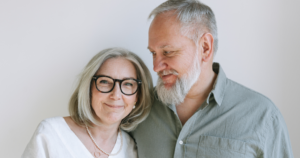
I’ve watched a lot of boomers grow older, but a few of them age beautifully in a way that stops you mid-thought.
They don’t just look good for their age, they feel alive. They laugh easily, change their minds, and stay oddly optimistic. After years of paying attention, I noticed a pattern.
They all seem to do one thing differently, and it has nothing to do with money, genetics, or green smoothies.
This blog post isn’t about anti-aging tricks. It’s about mindset. It’s about how the people I admire avoided getting mentally stiff while the world kept moving. If you care about aging well—mentally, emotionally, and physically—this one hits close to home.
The trap of mental calcification
I see mental calcification everywhere, and honestly, it scares me more than wrinkles. People stop questioning their beliefs and start repeating the same opinions on autopilot. They turn routines into rigid rules and confuse consistency with stubbornness. That mental hardening ages people fast, even when their bodies still cooperate.
The boomers I admire never fell into that trap. They stayed open even when the world changed faster than they liked. They didn’t say things like “That’s just how it is” and shut the door. Instead, they asked why things shifted and what they could learn from it.
Mental calcification often sneaks in through comfort. Familiar ideas feel safe, so people cling to them. Over time, that comfort kills curiosity and replaces it with judgment. Judgment locks the mind, while curiosity keeps it flexible.
Here’s what mental calcification usually looks like in real life:
- Dismissing new ideas without listening
- Treating opinions like permanent identities
- Refusing to update beliefs despite new evidence
The people who age beautifully fight this daily. They question their own assumptions. They stay mentally agile by staying uncomfortable on purpose. IMO, that discomfort works like mental yoga—it stretches the mind before it stiffens.
Learning remains possible at any age
One thing that blows my mind about the boomers I admire? They never stopped learning. Not in a “collect certificates” way, but in a quiet, curious, everyday way. They read things outside their comfort zone. They ask younger people questions without ego. They treat learning like a lifelong habit, not a phase.
A friend’s dad learned how to use design software in his late 60s because he wanted to make posters for a community project. No one forced him. He just felt curious. That curiosity kept his brain sharp and his confidence intact.

Learning keeps the mind flexible because it forces adaptation. Every new skill rewires how you think, solve problems, and handle frustration. The act of learning matters more than mastery.
People often believe age shuts the door on learning, but that belief does the real damage. Once someone decides “I’m too old for this,” they stop trying. The boomers who age well never say that sentence out loud—or even think it.
They approach learning like this:
- They start messy and laugh at mistakes
- They ask questions without worrying about looking smart
- They focus on progress, not perfection
FYI, learning also builds humility. Humility keeps arrogance away, and arrogance ages people faster than time ever could.
Curiosity beats judgment every time
Every boomer I admire shares one trait: they stay curious longer than most people stay patient. When something feels unfamiliar, they lean in instead of pulling away. Curiosity opens doors that judgment slams shut.
Judgment feels efficient. It gives quick answers and fake certainty. Curiosity takes effort, but it pays better long-term. Curious people listen longer. They ask follow-up questions. They learn stories instead of stereotypes.
I watched one older neighbor learn slang from teenagers at the gym instead of mocking it. He laughed, asked what words meant, and tried using them—badly. Everyone loved him for it. That curiosity built connection, and connection keeps people young at heart.
Curiosity also reduces stress. When you stay curious, you stop taking change personally. You see it as information, not an attack. That mindset protects emotional health over decades.
Judgment shrinks life. Curiosity expands it. The people who age beautifully choose expansion every time, even when it feels awkward. They don’t chase relevance–they stay interested, and relevance follows naturally.

Flexibility in routine creates space for joy
Routine can either support life or suffocate it. The difference comes down to flexibility. The boomers I admire follow routines, but they hold them loosely. They adjust when life asks for change instead of panicking.
Rigid routines turn days into checklists. Flexible routines turn days into experiences. That flexibility leaves room for joy, spontaneity, and rest. It also reduces stress when things don’t go as planned.
I know someone who walks every morning but switches routes based on mood. Some days he walks fast. Some days he wanders. That tiny choice keeps the habit alive without draining the joy from it. Consistency works better when it breathes.
Flexible routines usually share these traits:
- Clear priorities without strict timelines
- Space for rest without guilt
- Willingness to change plans without frustration
People who age beautifully don’t confuse discipline with punishment. They use structure as a tool, not a cage. That mindset keeps life playful instead of heavy, even as responsibilities grow.
Physical movement mirrors mental movement
The connection between body and mind shows up clearly in people who age well. They move their bodies, but more importantly, they move in varied ways. Walking, stretching, dancing, gardening—it all counts.
Movement keeps joints loose, but it also keeps thinking flexible. When the body moves through space, the brain processes novelty. That novelty improves mood, focus, and creativity. The boomers I admire treat movement like exploration, not obligation.
I’ve noticed something interesting. The people who resist physical movement often resist mental change too. The ones who stay active physically tend to adapt mentally with less friction. Motion encourages adaptability.
They approach movement with these ideas:
- They prioritize consistency over intensity
- They choose activities they enjoy
- They listen to their bodies instead of fighting them
No extreme workouts. No punishment mentality. Just regular motion and respect for limits. That balance supports longevity without burnout.

The courage to be wrong
This one matters most. Every boomer I admire feels comfortable being wrong. They admit mistakes quickly. They change opinions publicly. They don’t tie self-worth to being right.
That courage protects them from ego traps. When you accept being wrong, you stay teachable. You listen more and defend less. That openness keeps relationships strong and minds sharp.
I once heard an older mentor say, “I used to think that, but I don’t anymore.” That sentence takes guts. It also signals growth. People who say it often live lighter and argue less.
The courage to be wrong brings real benefits:
- Faster learning
- Deeper relationships
- Less emotional exhaustion
People who cling to being right age under pressure. People who release that need age with grace. The difference shows in how they talk, listen, and recover from conflict.
Final thoughts
After years of watching boomers I admire age beautifully, the pattern feels clear. They stay mentally flexible. They keep learning, stay curious, move often, adjust routines, and admit when they miss the mark. That one difference shapes everything else.
Aging well doesn’t require perfection. It requires openness. If you want to age beautifully too, start with curiosity today. Question one belief. Try one new thing. Let yourself be wrong once. That small shift compounds over time—and trust me, it shows.