Ever had a toothache in the middle of the night or a tiny cut that just won’t stop bothering you? Yeah, me too. That’s exactly why I’m a huge fan of clove oil. This stuff isn’t just some old-school remedy—it’s like a mini first-aid kit in a bottle. Honestly, once you make your own, you’ll wonder how you ever lived without it.
Clove has been treasured for thousands of years. People back then treated it like gold—not because it was shiny, but because it could numb pain, fight bacteria, and even help with digestion. Long before pharmacies and chemical antiseptics, clove was the go-to fix for everything from toothaches to scrapes.
Fast forward to today, and modern science basically gives clove oil a thumbs up. That little bottle is loaded with eugenol, a compound that works as a natural anesthetic, antibacterial, antiviral, anti-inflammatory—you name it. It’s perfect for pain relief, infections, wound care, immune support, and even digestion.
Sure, you can buy clove oil in stores, but homemade clove oil is gentle, safe when diluted, and ridiculously easy to make with stuff you probably already have in your kitchen. Once you have it, a tiny bottle can handle toothaches, scrapes, muscle pain, fungal infections, and more. Honestly, it’s like having a superhero in a jar.
How to Make Clove Oil at Home

Here’s the cool part: making clove oil isn’t complicated. Seriously, anyone can do it. The traditional method is basically steeping dried cloves in a carrier oil to pull out all those healing compounds.
Here’s what you’ll need:
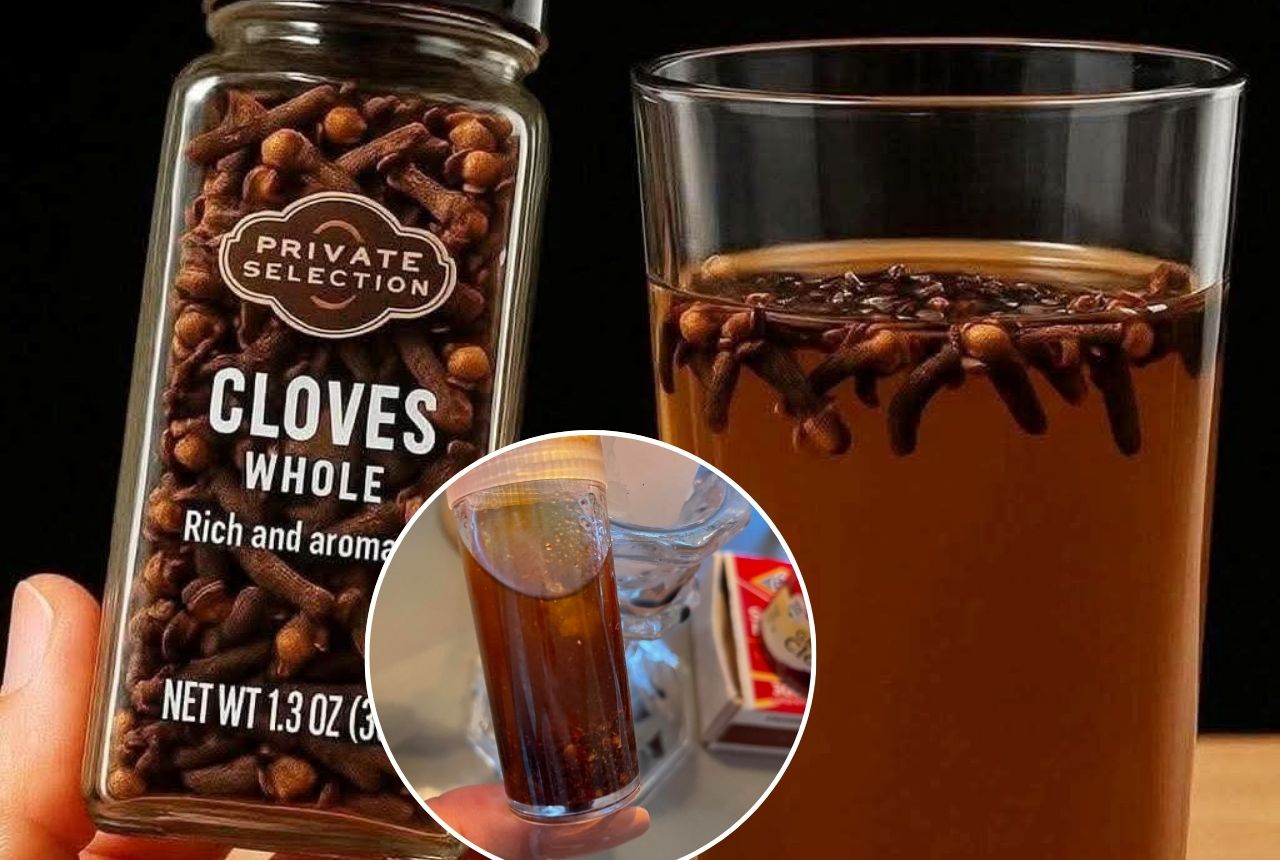
- Whole dried cloves
- A mild oil like olive, coconut, almond, jojoba, or grapeseed
- A clean glass jar
Step 1: Lightly crush the cloves to release their natural oils. Don’t pulverize them—just enough to get the magic out.
Step 2: Toss the crushed cloves into your jar and cover them completely with your chosen oil.

Step 3: Seal it up and let it hang out in a dark corner for 2–4 weeks, giving it a shake every now and then. The longer it steeps, the stronger it gets.
Step 4: Strain through a fine cloth or mesh, and pour your precious oil into a dark glass bottle for storage.
Need it fast? No problem. You can speed things up using a warm-infusion method:
- Place cloves and oil in a heat-safe jar or double boiler
- Warm gently over low heat for 1–2 hours (don’t boil, FYI—high heat kills the good stuff)
- Let it cool, strain, and you’re ready to roll
Whether you go slow or fast, homemade clove oil can last 6 months to a year if stored in a cool, dark spot. It’s like bottling up centuries of healing wisdom.
Why Homemade Clove Oil Works So Well
So why is clove oil basically magic in a bottle? It all comes down to eugenol and other plant compounds.
- Pain relief: Eugenol numbs nerve endings, making it one of the best natural painkillers around.
- Antibacterial & antifungal: Perfect for cleaning wounds and preventing infections.
- Anti-inflammatory: Reduces swelling, accelerates healing, and supports immune health.
What’s great about making it at home is that it’s already diluted in a carrier oil. That means it’s safe for skin use, massages, and small cuts, while still being strong enough to actually work. No need for fancy equipment or chemical-laden store products.
Honestly, I keep a small bottle on hand at all times—it’s saved me more than once from last-minute toothaches and random scrapes.
How to Use Clove Oil for Natural First Aid

Let’s get into the fun part: how to actually use it.
Toothaches are probably the most famous use. Ever had that sudden, stabbing pain at 2 a.m.? Yep, clove oil is a lifesaver. Apply a bit of diluted oil to the affected tooth and it numbs the pain almost instantly while also fighting infection in your gums or tooth. Works for mouth ulcers and inflamed gums too.
But clove oil isn’t just for teeth:
- Muscle & joint pain: Rub it on sore areas, and you’ll feel the warmth and relief as it stimulates blood flow and reduces inflammation. Back pain, sciatica, stiff necks? It’s all fair game.
- Wounds & scrapes: Dab a bit on cuts, scrapes, or bites to keep bacteria at bay.
- Fungal issues: Athlete’s foot, nail fungus, ringworm—you can stop fungal infections from spreading while soothing irritated skin.
- Respiratory support: Use in chest rubs or steam inhalations to clear congestion and loosen mucus.
- Digestive aid: Massage over your stomach to ease bloating, gas, or nausea. Ancient medicine folks weren’t kidding when they used clove for indigestion and motion sickness.
- Immune booster: During flu season, a few drops here and there can help support your body’s natural defenses.
- Household disinfectant: Toothbrushes, kitchen counters, moldy corners—all cleaned without harsh chemicals.
See what I mean? One little bottle literally replaces half your medicine cabinet.
Why Clove Oil Belongs in Every First Aid Kit
Here’s the deal: clove oil is like a Swiss army knife for your first-aid kit.
One small bottle can:
- Numb pain when no dentist is around
- Fight infections when you’re out of antibiotic ointment
- Soothe sore muscles after a workout
- Clear chest congestion during a cold
- Even repel insects
And the best part? It’s backed by science. Dentists and herbalists alike love it for its pain-relieving and antibacterial properties. It’s a rare remedy that’s both ancient wisdom and modern medicine-approved.
Honestly, I stash mine in my home first-aid kit, camping bag, and travel pack. It’s small, potent, and has a shelf life that outlasts most of the over-the-counter stuff.
Safety and Storage
Alright, a quick reality check: clove oil is powerful stuff. You need to treat it with respect.
- Always dilute before applying to skin, especially for kids or anyone with sensitive skin
- Avoid contact with eyes and mucous membranes
- Do a patch test before covering larger areas
- Store in a dark, tightly sealed glass bottle away from heat and light
When kept properly, clove oil keeps its potency for months, making it reliable and ready whenever you need it.
It’s amazing to think something so simple, made from a humble kitchen spice, can be so versatile and effective. Pain, infection, inflammation, digestion, immunity—you name it, clove oil has got your back.
Honestly, once you make your own, you’ll wonder how you ever lived without it. It’s cheap, easy, and incredibly powerful—a must-have for any first-aid arsenal.
So, are you ready to give it a try? I promise, your future self (and your emergency kit) will thank you.