Ever pick up a simple kitchen ingredient and suddenly realize it’s way more powerful than you thought? That’s exactly how I felt the first time I made bay leaf oil at home. I grabbed a handful of dried bay leaves—nothing fancy, just the regular kind sitting in my spice cabinet—and the final result blew me away.
If you’ve ever dealt with nagging joint stiffness, sore muscles, random nerve pain, or those days where your entire body feels “off,” you’ll appreciate this remedy more than you think. And honestly? Once you make your first batch, you’ll probably wonder why people don’t talk about it more often.
So let’s chat about this underrated, affordable, DIY-friendly oil and why people have trusted it for centuries.
Why Bay Leaf Oil Was Used as Medicine
I used to think bay leaves only existed to float around in soups and make me feel fancy for absolutely no reason. Ever felt that way too? 🙂
But once I dug into the history, I realized people treated bay leaves like tiny green medicine cabinets.
The ancient Greeks literally wore bay leaf crowns—not just for style but as symbols of healing and protection. Imagine someone walking into a room today with a leaf crown. Wild, right?
Meanwhile, Ayurvedic medicine used bay leaves to support digestion and breathing, and European folk healers made bay leaf-infused oils to calm rheumatism, swelling, and cold-induced pain.
And here’s the kicker: these traditions weren’t guessing. Bay leaves pack eucalyptol, cineole, linalool, pinene, and flavonoids—compounds we now know help with pain, inflammation, bacteria, fungi, and even stress.
When you infuse these compounds into oil, you create a warm, soothing, skin-penetrating remedy that can calm everything from angry joints to tense muscles.
Ever wondered why this plant stayed relevant for so long? Because it actually works.
Benefits of Bay Leaf Oil Backed by Tradition and Modern Science

Let’s break this down in a way that actually makes sense (because IMO, science jargon gets boring fast).
1. Natural Anti-Inflammatory
Bay leaves contain eugenol and powerful polyphenols. These compounds help shut down the body’s inflammatory response—the same response behind swelling, redness, stiffness, and that annoying “I’m moving like I’m 90 today” feeling.
When you massage bay leaf oil into your skin, it warms the area and supports better mobility.
2. Pain Relief for Joints & Muscles
If you’ve ever woken up with stiff knees or felt your back tighten after doing absolutely nothing (relatable?), bay leaf oil helps.
It works great for:
- Arthritis
- Sciatica
- Muscle cramps
- Lower back pain
- Fibromyalgia
- Joint stiffness
It increases circulation and creates a soothing warmth that feels like an herbal heating pad.
3. Improves Blood Circulation
Cold hands? Numb legs? Random cramps?
Bay leaf oil helps kick-start blood flow to slow or stuck areas.

Better circulation means:
- Faster healing
- Less numbness
- More warmth
- Less tightness
Honestly, the difference feels subtle at first, then suddenly you realize your fingers aren’t freezing anymore.
4. Relieves Nerve Pain
Nerve pain hits differently, right? It’s sharp, burning, stubborn, and often unpredictable.
Traditional healers used bay leaf oil for:
- Neuralgia
- Sciatica
- Nerve compression
Bay leaf oil doesn’t numb the nerves. Instead, it reduces the inflammation around them, which is usually the real problem.
5. Supports Respiratory Health
If you’ve ever smelled bay leaves heating in oil, you already know they’re cousins to eucalyptus.
The cineole in bay leaves helps with:
- Chest congestion
- Cough
- Mucus buildup
- Bronchitis
- Sinus blockage
Need a natural vapor rub? Bay leaf oil hits the spot.
6. Antibacterial and Antifungal
Bay leaf oil naturally fights:
- Harmful bacteria
- Fungus
- Mild skin infections
People use it for acne, itchy patches, foot fungus, and as a cleansing oil for small cuts or wounds.
7. Skin Support
The antioxidants in bay leaves help calm:
- Redness
- Irritation
- Flares
- Dry patches
- Eczema-type symptoms
It’s not a miracle cure, but it definitely supports healthier, calmer skin.
8. Stress and Relaxation
Bay leaves don’t just heal the body—they calm the mind.
The linalool content promotes:
- Relaxation
- Mental clarity
- Deeper sleep
- Calmer breathing
I sometimes rub a bit on my chest before bed and it works better than I expected. FYI, the smell is surprisingly comforting.
How to Make Bay Leaf Oil at Home (Traditional Method)
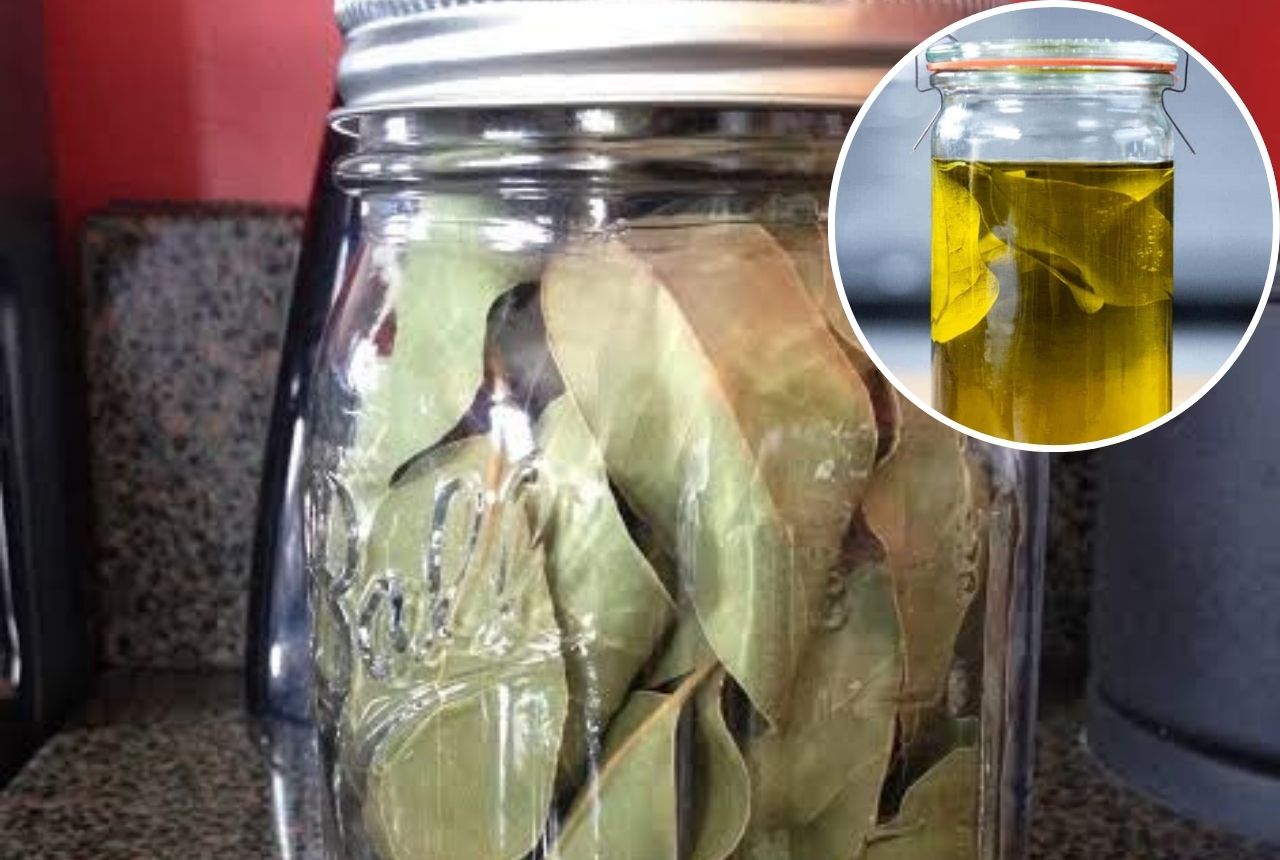
This part is my favorite because it’s ridiculously simple. You don’t need special equipment, an herb degree, or money. Just bay leaves + carrier oil = magic.
Most people use dried leaves because they infuse more evenly, but fresh ones also work.
Ingredients
- 10–15 bay leaves
- 1 cup carrier oil (olive, almond, jojoba, grapeseed, or coconut)
Instructions
- Slightly crush the bay leaves to release their oils.
- Drop them in a clean glass jar.
- Gently warm the oil—don’t boil it.
- Pour the warm oil over the leaves.
- Seal the jar and store it in a dark cabinet for 2 weeks.
- Shake it every few days.
- Strain the mixture.
- Store the finished oil in a dark glass bottle.
This is the classic cold-infusion method healers used for generations.
Ever noticed how the simplest recipes are usually the most powerful?

Faster Variation: Warm Infusion Technique
Don’t want to wait two weeks? Been there.
Here’s the speed-run version:
- Place bay leaves and oil in a small pot or heat-safe jar.
- Set it inside a pan of simmering water (double-boiler style).
- Let it warm gently for 1–3 hours.
- Cool it, strain it, store it.
This faster method still extracts the good stuff without destroying the active compounds.
How to Use Bay Leaf Oil
You know what I love most? This oil multitasks better than I do on a Monday morning.
Here are the best ways to use it:
1. For Joint & Arthritis Pain
Massage into:
- Knees
- Fingers
- Hips
- Elbows
- Wrists
Twice a day works best, especially after a warm shower.
2. For Muscle Tension
Rub it into:
- Shoulders
- Lower back
- Neck
- Calves
Warm the area afterward for deeper relief.
3. For Sciatica or Nerve Pain
Apply along:
- Lower back
- Buttocks
- Down the leg
Some people mix it with castor oil for extra penetration.
4. For Chest Congestion
Rub onto the chest and upper back, then cover with a warm towel.
5. For Sinus Relief
Put a few drops on a cloth and inhale or dab around the nose and forehead.
6. For Hair & Scalp Health
Massage into your scalp to boost:
- Circulation
- Hair strength
- Dandruff control
7. For Skin Issues
Apply to:
- Redness
- Itchy skin
- Dry patches
- Fungal areas
8. For Stress & Sleep
Rub on your:
- Temples
- Neck
- Chest
Perfect before bed or meditation.
Why Bay Leaf Oil Works Better Than Whole Leaves
When you toss bay leaves into soup, most of the essential oils evaporate in steam before they do much.
But when you infuse them into oil, you:
- Preserve the essential oils
- Keep the medicinal compounds stable
- Deliver them directly into the skin and muscles
- Enhance absorption with warmth
- Target pain and inflammation more effectively
Whole leaves flavor food.
Bay leaf oil heals.
Big difference.
Shelf Life and Storage
Store bay leaf oil in a:
- Cool, dark place
- Airtight jar or dark bottle
It lasts 6–12 months when protected from sunlight and heat. Super long-lasting for such a simple DIY.
Who Should Avoid or Use With Caution
Bay leaf oil is strong, so a little caution helps.
Avoid or ask a professional if you:
- Are allergic to laurel-family plants
- Are pregnant or breastfeeding
- Have major medical conditions
- Want to take it internally (don’t — this oil is for external use only)
Final Thoughts
I love how bay leaf oil bridges ancient wisdom with modern understanding. It’s humble, inexpensive, and insanely helpful for pain, inflammation, and tension — yet most people overlook it because it seems too simple to matter.
But that’s the beauty of it.
Sometimes the best remedies hide in plain sight… right inside your kitchen cabinet.
If you give bay leaf oil a try, I bet you’ll feel the difference faster than you expect.