
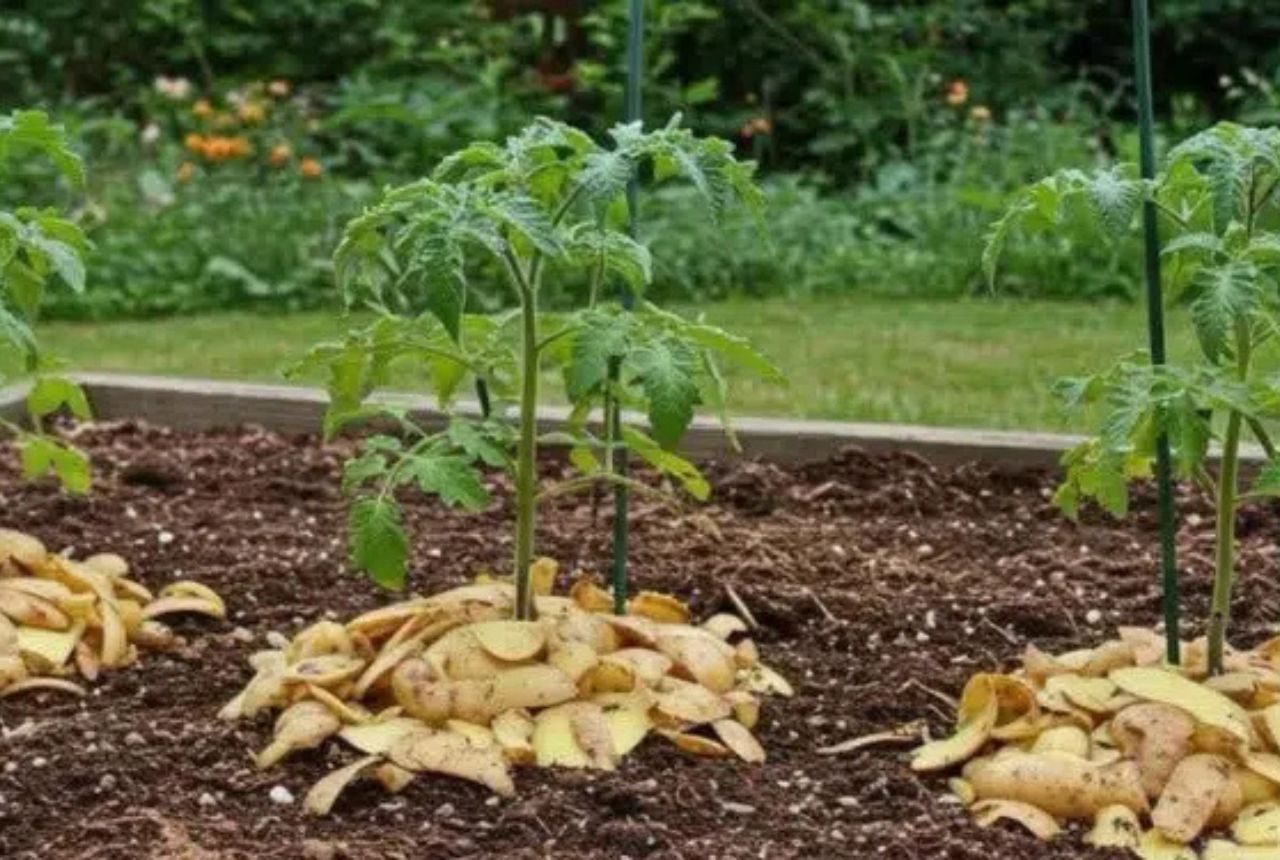
Stop treating potato peels like trash. These kitchen scraps hold the secret to a high-yielding garden. Most homeowners toss them, but you can use them to build fertile soil, feed hungry plants, and slash your fertilizer budget.
Potato peels provide a powerhouse of nitrogen, potassium, phosphorus, and magnesium. These minerals transform depleted dirt into a thriving ecosystem. This guide shows you how to turn waste into a natural fertilizer, a compost engine, and a pest barrier.
Why Use Potato Peels in the Garden?
Potato skins pack the nutrients plants crave. When you recycle them, you deliver a concentrated dose of minerals directly to the root zone:
- Potassium (K): Drives root strength and triggers massive flower production.
- Phosphorus (P): Builds hardy root systems and increases fruit yields.
- Nitrogen (N): Fuels rapid leafy growth and keeps foliage deep green.
- Magnesium & Calcium: Toughens cell walls to help plants resist heat and disease.
Recycling peels does more than just feed plants. It improves soil structure, cuts household waste, and eliminates your reliance on harsh chemical additives.
How to Use Potato Peels to Nourish Soil & Plants
You don’t need expensive equipment to reclaim these nutrients. Use these proven methods to integrate potato scraps into your gardening routine today.
1. Make a Nutrient-Rich Potato Peel Fertilizer
Store-bought fertilizers often contain synthetic fillers. You can create a pure, organic alternative at home for zero cost.
How to Prepare Potato Peel Fertilizer:
- Collect and dry your peels. Air-drying works, but a low-heat oven speeds up the process.
- Grind the dry peels into a fine powder using a blender.
- Mix the powder with water and let it steep for 24 hours to release the minerals.
- Water your garden with this solution once a week.
Best Plants to Use It On: Focus on tomatoes, peppers, roses, and kale. These heavy feeders thrive on the extra potassium and magnesium.
2. Add Potato Peels to Your Compost Bin
Potato peels act as a “green” nitrogen source. They accelerate the decomposition process in your compost pile, turning waste into black gold faster.
How to Compost Potato Peels Properly:
- Shred the peels into tiny pieces. Smaller surface areas break down much faster.
- Balance the pile by adding “browns” like shredded cardboard or dry leaves.
- Turn the pile frequently. Aeration prevents the peels from becoming slimy or smelling.
Caution: Never compost peels that show signs of black spots or mold. Potato blight spores can survive the composting process and infect your future crops.
3. Directly Bury Potato Peels in the Garden
If you want a slow-release fertilizer, bury the scraps. This method feeds the soil microbiology while keeping your garden looking tidy.
How to Use This Method:
- Dig a trench roughly 4 inches deep near your plants.
- Drop the peels inside and cover them completely with soil.
- Soak the area to kickstart the breakdown process.
Best Areas to Use This Method: Use this in vegetable beds and around fruit trees. If you have local wildlife, bury them deeper to ensure rodents don’t dig up your hard work.
4. Make a DIY Liquid Fertilizer from Potato Peels
“Potato Tea” offers an immediate nutrient hit. It is the fastest way to revive a wilting plant or boost a flowering shrub.
How to Make Potato Peel Tea:
- Boil the peels in a large pot of water for 20 minutes.
- Cool the liquid to room temperature.
- Strain the solids and use the liquid to drench the soil around your plants.
Best Plants for Potato Peel Tea: This works wonders for indoor houseplants and container-grown flowers that need a quick pick-me-up.
5. Use Potato Peels as Mulch for Soil Moisture Retention
Dried potato peels make an excellent organic mulch. They protect the soil surface from the harsh sun and wind.
This helps to:
- Lock in moisture by stopping evaporation.
- Kill weeds by starving them of sunlight.
- Feed worms as the peels slowly rot into the topsoil.
Tip: Always dehydrate the peels before using them as mulch. Fresh, wet peels can attract flies or rot too quickly on the surface.
6. Potato Peels as a Natural Pest Deterrent
You can use potato scraps to manage garden pests without resorting to toxic sprays.
How to Use Potato Peels Against Pests:
- Trap Slugs: Set out fresh peels in the evening. Slugs will congregate on them, allowing you to remove the whole group the next morning.
- Distract Aphids: Scatter dried peels near vulnerable plants to confuse and redirect these sap-suckers.
- Whip up a Repellent: Mix peels with cayenne pepper to discourage deer and squirrels from snacking on your flowers.
Best Plants to Use Potato Peels On
Most garden residents love a potato boost. However, these specific varieties show the best results:
- Tomatoes: The potassium spike ensures firmer, sweeter fruit.
- Peppers: Extra minerals lead to more blooms and less blossom end rot.
- Roses: Magnesium strengthens stems and deepens flower color.
- Leafy Greens: Nitrogen promotes lush, crisp leaves.
Avoid Using Potato Peels On:
Do not use peels on plants already struggling with fungal issues. If you live in an area with high rodent populations, stick to the “Potato Tea” method to avoid attracting scavengers.
Sustainable Benefits of Recycling Potato Peels
Reusing your kitchen waste creates a closed-loop system in your backyard. By choosing potato peels over chemicals, you are:
- Shrinking your footprint: You keep organic matter out of the landfill.
- Saving cash: You stop buying expensive, synthetic fertilizers.
- Building life: You encourage beneficial bacteria and fungi in your soil.
- Boosting self-sufficiency: You use what you already have to grow what you need.
Stop viewing your kitchen scraps as trash. Potato peels are a free, high-performance tool for any gardener. Whether you brew a tea, grind a powder, or bury them in the dirt, you are giving back to the earth.
Next time you prep dinner, keep a bowl aside for the skins. Your garden will thank you with a massive harvest.
Would you like me to create a printable “quick-reference” chart of these methods for your garden shed?
