Let me tell you something I’ve noticed after watching my older relatives (and honestly, learning from them too): staying mentally sharp after 65 isn’t about luck — it’s about choosing activities that keep your brain, heart, and soul plugged into life.
And trust me, the right hobbies don’t just make the days feel fuller. They bring joy, stability, and that “I still got it” confidence that so many people underestimate.
If you’re exploring meaningful ways to stay mentally engaged and emotionally grounded — or helping someone who is — you’ll probably find a few new favorites on this list. I’ve seen many of these hobbies transform people I love, so IMO, they’re absolutely worth trying.
Let’s get into them.
1) Learning a New Language
I always smile when I see someone over 65 casually dropping phrases in French or Spanish. It’s such a boss move. And honestly, learning a new language works your brain harder than almost anything else.
It challenges memory, problem-solving, and listening skills all at once. Plus, you get this fun sense of accomplishment every time a new phrase sticks. I watched my aunt pick up Italian in her late 60s, and she said the mental boost felt better than any puzzle she ever tried.
Why it keeps the mind sharp:
- Boosts memory because you constantly recall new words.
- Strengthens focus since your brain works to translate on the spot.
- Builds confidence every time you understand something you couldn’t before.
And the best part? You can learn at your own pace. One word a day still counts. FYI, nobody’s grading you.
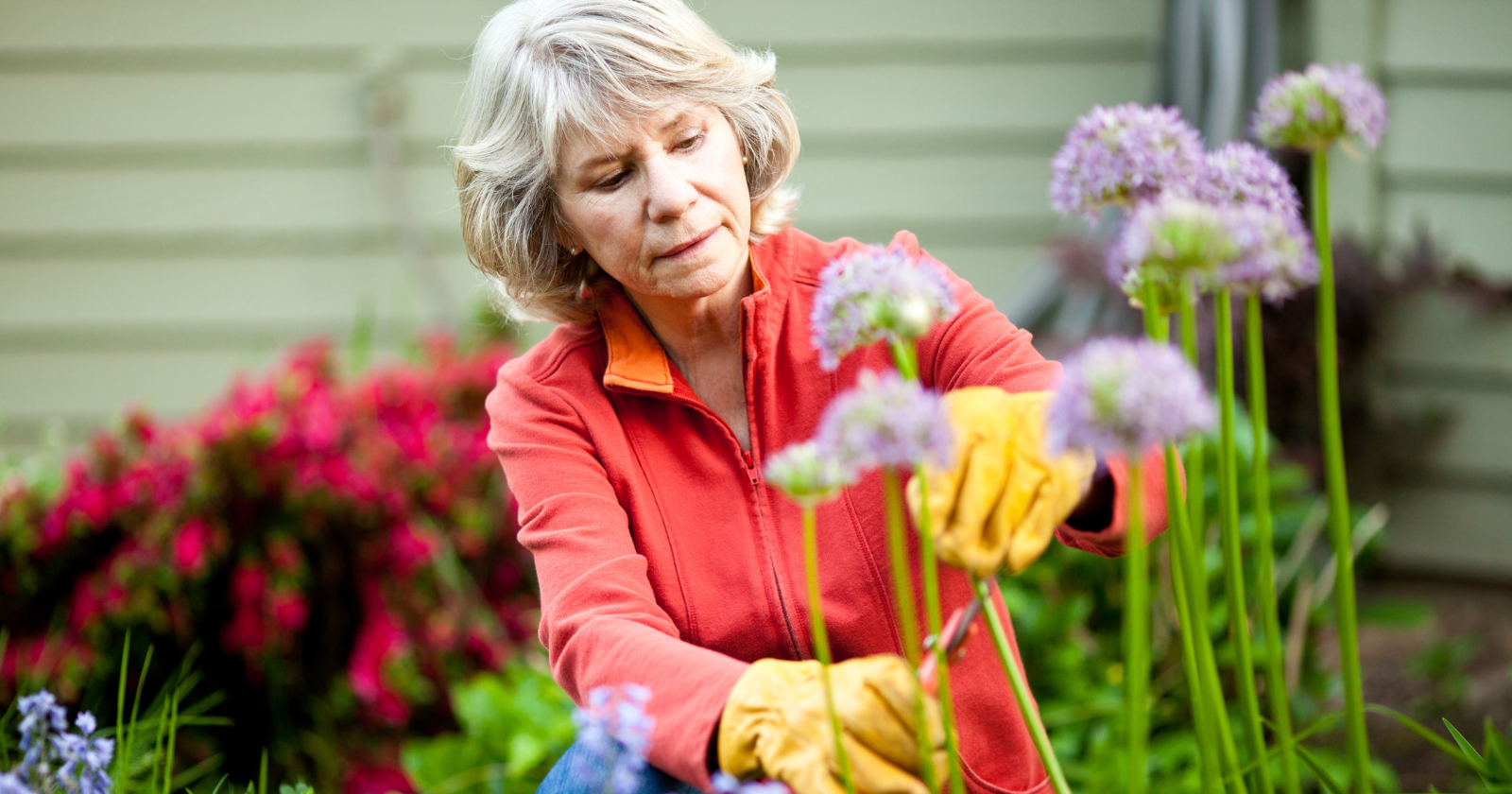
2) Gardening With Intention
I love seeing people find peace in the garden, but gardening hits differently when you do it with intention. I’m talking about growing plants you actually care about, creating a space that brings calm, or tending to herbs you’ll use in meals.
Intentional gardening keeps people grounded because it offers structure, routine, and a gentle sense of purpose.
My grandfather always said gardening felt like therapy — and I totally get it now. There’s something magical about nurturing something and watching it grow because you showed up consistently.
Why intentional gardening works so well:
- Reduces stress through calm, repetitive movements.
- Improves mood by connecting you with nature.
- Keeps the body active without overwhelming the joints.
If you’ve never planted something and watched it grow from your effort, trust me, you’re missing out.
3) Playing a Musical Instrument
Picking up an instrument at 65-plus might sound intimidating, but it’s one of those hobbies that makes you feel alive. Music stimulates memory, coordination, and creativity all at once.

I once watched a friend in his 70s pick up the ukulele, and honestly, it changed his entire vibe. He became more outgoing, started socializing more, and his mood just stayed lifted.
Playing an instrument keeps the brain busy in the best way possible because it activates multiple areas at once.
Benefits worth noting:
- Enhances cognitive flexibility, which keeps the mind young.
- Builds hand-eye coordination, something many people appreciate later in life.
- Eases anxiety because music naturally relaxes the nervous system.
And you don’t need to be the next guitar legend. A few chords and a smile count as a win.
4) Writing Regularly
I’ll always hype writing as a hobby, especially for older adults. Writing lets you explore your memories, express your thoughts, and process emotions in a healthy and meaningful way.
Regular writing keeps the mind sharp because it forces you to organize your thoughts clearly. It also helps you reconnect with your experiences — something many people find grounding as they age.
My mom writes two paragraphs every morning, and she swears it keeps her mentally steady.
Try any of these:
- Journaling your day or emotions
- Writing short stories from your memories
- Creating letters for family or friends
- Drafting simple reflections on life
The key is consistency. Even 10 minutes makes a difference.
5) Volunteering Strategically
Volunteering isn’t just about giving back — it’s about connecting. And contrary to what people assume, volunteering after 65 doesn’t require jumping into everything all at once. The trick is volunteering strategically.
Choose something that aligns with your personality, energy level, and interests. The right fit makes volunteering feel more like a shared experience than a “task.”
Why strategic volunteering works:

- Strengthens emotional stability because you bond with others.
- Maintains a sense of purpose, which is huge at any age.
- Keeps the brain active through conversations and problem-solving.
I once met a retired teacher who volunteered to tutor kids in reading. She said it made her feel “plugged back into life,” and honestly, that sums it up perfectly.
6) Photography as Observation Practice
Photography turns everyday moments into little pieces of art — and it’s one of the easiest hobbies to start, even with a phone.
But here’s the underrated part: photography sharpens your observation skills, and that mental shift helps people stay grounded. You start noticing details you never saw before — colors, patterns, shadows, tiny moments.
My uncle got into photography at 68, and he told me it helped him stay present instead of worrying about everything at once.
Why photography boosts mental wellness:
- Improves focus because you look for interesting moments.
- Builds creativity as you learn angles and composition.
- Encourages mindfulness, which steadies the emotions.
You don’t need fancy gear. Just curiosity and a willingness to notice the world again.
7) Cooking New Recipes
Cooking feels therapeutic, but trying new recipes takes the experience to another level. It challenges your memory, concentration, and creativity — all while giving you something delicious at the end.
Learning new recipes gives you a reason to experiment, explore flavors, and stay mentally active. And yes, it counts even if you’re cooking simple meals.
I noticed my grandmother became more mentally alert when she started trying new spice combinations. Food has a way of waking up the mind.
Benefits of trying new recipes:
- Stimulates the senses, which strengthens memory.
- Encourages creativity through flavor combinations.
- Gives emotional grounding because cooking feels comforting.
Plus, you get bragging rights when your new dish actually turns out better than expected.
8) Learning Technology With Purpose
Tech doesn’t have to feel overwhelming, especially when you approach it with purpose. And honestly, learning tech is one of the most powerful ways for people over 65 to stay connected and mentally sharp.
I’ve shown older friends how to use messaging apps, video calls, and online communities, and it always leaves them feeling more confident and less isolated.

Why purposeful tech learning matters:
- Boosts cognitive resilience, since tech makes the brain adapt.
- Strengthens connection, which supports emotional health.
- Improves independence because you can access anything online.
Learning tech doesn’t mean memorizing everything. It just means picking tools that genuinely make life easier.
9) Creative Hobbies That Stimulate the Senses
I included this bonus category because creative hobbies are absolute gold for brain health and emotional wellness. These are activities that use your hands, eyes, or imagination — basically the perfect trio for staying sharp.
A few popular options:
- Knitting or crocheting
- Drawing or coloring
- DIY crafts
- Scrapbooking
They keep you calm, engaged, and focused while giving you something meaningful to create.
Creativity keeps you grounded because it pulls your attention into the present moment. And honestly, that’s something we all need, regardless of age.
Final Thoughts
Staying mentally engaged and emotionally grounded after 65 isn’t about doing everything at once. It’s about finding the hobbies that genuinely light you up — the ones that make you feel present, capable, and connected.
Whether it’s learning a new language, picking up an instrument, writing more often, or exploring photography, every hobby on this list adds something valuable to your life. They help you stay sharp, stay social, and stay emotionally steady.
And IMO, the most important part is this: make it fun. Try things. Experiment. Laugh at your mistakes. Enjoy the process. That’s when the real magic happens.
If you try any of these hobbies, I’d love to hear which one sticks with you the most.