Somewhere between smart notifications, endless scrolling, and five apps just to order food, life picked up speed- and somehow got harder. That’s why I keep thinking about the 80s lately.
Not in a “bring back everything” way, but in a “wow, some of those odd habits actually worked” way.
I grew up hearing stories about that era, and I later lived through the tail end of it myself. People didn’t rush everything, yet they still got things done.
They didn’t rely on constant alerts, yet they stayed connected. The habits felt slower, but they made life simpler, and honestly, that feels refreshing now.
Let’s talk about eight odd habits from the 80s that actually made life easier, and why they still make sense today.
Tape Deck Magic
I still remember the satisfying click of a cassette sliding into a tape deck. Tape decks forced patience, and that patience made listening better. You didn’t skip tracks every ten seconds or jump playlists mid-song. You committed to the music.
People created mixtapes with intention, not algorithms. They listened closely, waited for the right song on the radio, and pressed record at the perfect moment. That process built emotional connection and focus.
Tape decks also made multitasking unnecessary. You played a tape, cleaned your room, or sat there vibing. That simplicity reduced decision fatigue fast.
Why tape decks made life easier:
- You focused on one thing at a time
- You valued music more deeply
- You stopped overthinking choices
IMO, tape decks didn’t limit people. They freed them from endless options.
The Analog Journaling
In the 80s, people grabbed a pen and wrote things down. No apps. No syncing. No notifications buzzing mid-thought. Analog journaling created mental clarity because it slowed thinking just enough to make it meaningful.
When you write by hand, you process emotions differently. Your brain stays present. You don’t edit every sentence for likes or readability. You just tell the truth.
I still journal on paper sometimes, and I feel the difference instantly. My thoughts land instead of racing. Problems feel smaller once they hit the page.

Analog journaling made life easier because:
- You organized thoughts without distractions
- You remembered things better
- You reflected instead of reacting
That habit built emotional resilience long before self-care became trendy.
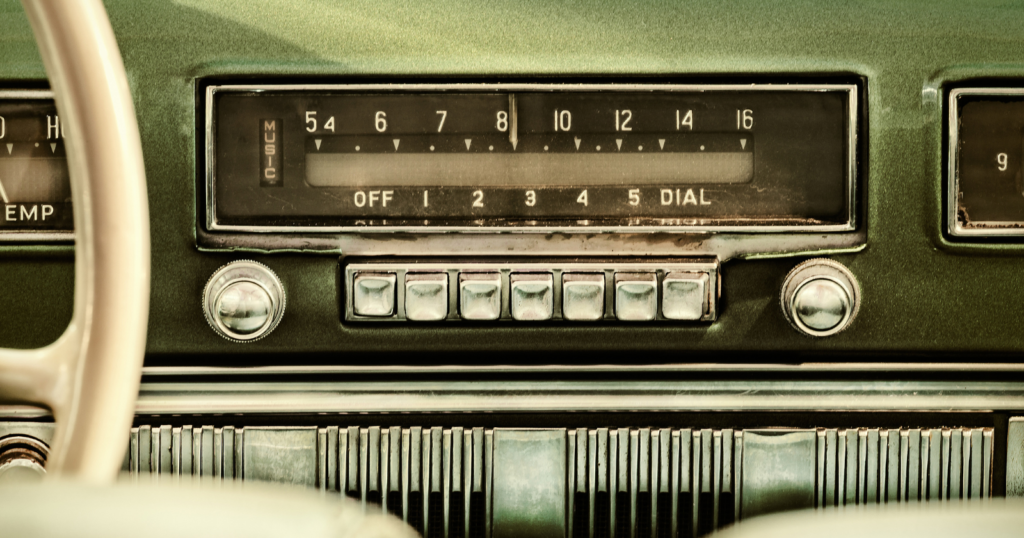
Waiting by the Radio
Waiting by the radio sounds ridiculous now, but it worked. People tuned in at a specific time, listened closely, and enjoyed the moment. That habit trained patience and presence.
You couldn’t rewind live radio, so you stayed alert. You paid attention. You didn’t scroll while listening. That single-task focus reduced stress without anyone realizing it.
I love how radio listening created shared experiences. Everyone heard the same song at the same time. That collective moment built connection without group chats.
Waiting by the radio helped because:
- You practiced delayed gratification
- You stayed mentally present
- You shared cultural moments naturally
FYI, that kind of patience still beats instant access overload.
Crowded Phone Booths
Phone booths forced efficiency. You stepped inside, made the call, said what mattered, and moved on. That habit encouraged clear communication.
You didn’t ramble. You didn’t overshare. You respected time because someone waited outside. Conversations stayed purposeful and focused.
I think about this whenever I catch myself sending voice notes that last five minutes. Phone booths trained people to think before speaking.
Phone booths made life easier by:
- Reducing unnecessary conversation
- Encouraging clarity
- Limiting distractions
Short, meaningful communication saves energy every single time.
Snail Mail Connections
Snail mail took time, and that delay made it powerful. People wrote letters with intention, not urgency. The slowness strengthened relationships.

You chose your words carefully. You reread letters. You saved them. That emotional weight mattered.
I still remember the excitement of checking the mailbox as a kid. That feeling hits different from seeing a notification pop up.
Snail mail helped because:
- You communicated thoughtfully
- You valued connection more
- You built anticipation
Fast messages connect devices. Slow letters connect people.
Rewinding VHS Tapes
Rewinding VHS tapes taught responsibility. If you forgot, the next person paid for it. That habit built awareness and accountability.
You treated media like a shared resource. You respected the experience. You stayed mindful of others.
Streaming removed that step, and convenience won. But we lost that tiny moment of responsibility.
Rewinding VHS tapes made life easier by:
- Encouraging courtesy
- Building routine
- Slowing consumption
Small habits like this shaped considerate behavior without lectures.
Library Visits and Card Catalogues
Libraries in the 80s required effort, and that effort paid off. You searched card catalogues, walked aisles, and discovered unexpected books. That system rewarded curiosity.
You didn’t rely on search engines. You explored. You stumbled into knowledge you didn’t plan to find.
I still love libraries because they calm my brain instantly. No ads. No pop-ups. Just quiet focus.

Libraries made life easier because:
- You learned without distractions
- You retained information better
- You enjoyed discovery
Card catalogues trained patience and problem-solving naturally.
Reading Maps
Reading maps required spatial awareness. You planned routes before leaving. That habit built confidence and independence.
You didn’t panic at wrong turns. You adapted. You learned geography without realizing it.
I still prefer checking a map before driving somewhere new. It reduces anxiety and improves orientation.
Reading maps helped because:
- You thought ahead
- You trusted yourself
- You stayed calm under pressure
GPS helps, but maps taught real-world problem solving.
Final Thoughts
The 80s didn’t feel easier because life lacked challenges. Life felt easier because habits supported focus, patience, and connection. These odd routines reduced noise, simplified decisions, and built stronger human skills.
We don’t need to abandon modern tech. We just need to borrow what worked. Try journaling on paper. Listen without multitasking. Communicate with intention.
Sometimes moving forward means looking back—and smiling while you do it.