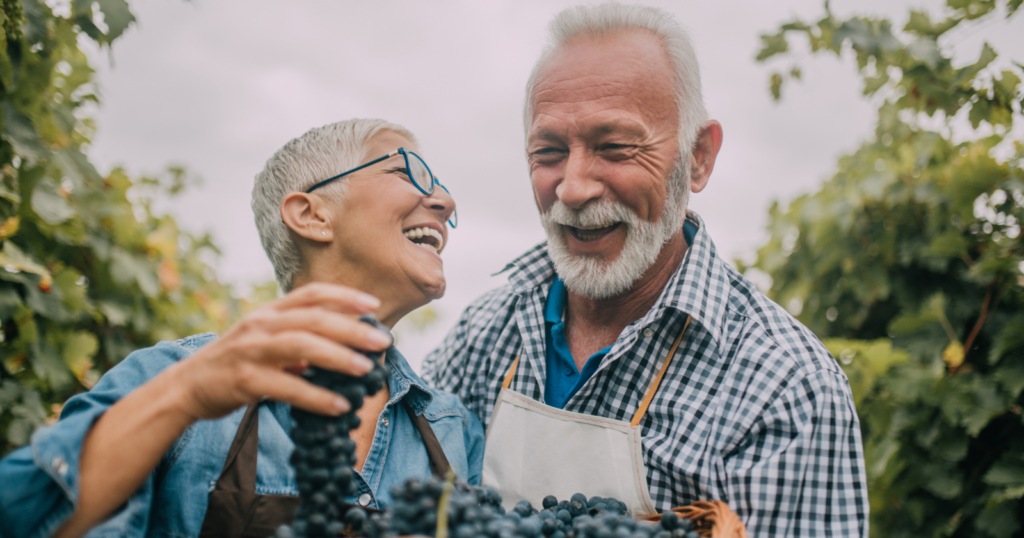
Some people grow older and get softer. Others grow older and get sharper around the edges.
I’ve watched both happen up close. And I’ve noticed something interesting: the ones who age with joy instead of bitterness don’t rely on luck. They practice small, quiet habits every single day. Nothing flashy. Nothing dramatic. Just steady choices that shape their outlook over time.
If you’ve ever wondered how to age gracefully without becoming cynical, this one’s for you. Let’s talk about the real-life habits that keep the heart light and the spirit strong.
1. They Practice Gratitude Before Their Feet Hit the Floor
People who age with joy start their day differently. Before they grab their phone or mentally list their problems, they pause. They think of three simple things they feel grateful for.
I started doing this a few years ago, and I won’t lie—it felt awkward at first. But after a while, I noticed something powerful: I stopped waking up irritated. I woke up grounded.
Gratitude shifts your focus immediately. Instead of thinking:
- “I’m tired.”
- “I have too much to do.”
- “Why is my life like this?”
You think:
- “I’m alive.”
- “I have another chance today.”
- “I still have people who care.”
That tiny mental pivot rewires your mood before the day begins. And over years, that habit builds a deep emotional resilience.
People who age joyfully don’t ignore problems. They simply train their minds to notice blessings first. That habit protects them from chronic bitterness.
2. They Stay Curious About the World
Bitterness often grows from stagnation. Joy grows from curiosity.
People who age with joy stay interested in life. They ask questions. They try new hobbies. They listen to younger people without rolling their eyes.
I’ve seen 70-year-olds learn new languages and 60-year-olds start businesses. Curiosity keeps their minds flexible and their egos small.
Here’s what curiosity looks like in action:
- Trying a new recipe instead of cooking the same meals for decades
- Asking, “Why do you think that?” instead of shutting down a conversation
- Reading books outside your comfort zone
Curiosity tells the brain, “I’m still growing.”
And growth prevents emotional rust.
When you decide you already know everything, life feels smaller. When you stay curious, life keeps expanding. IMO, curiosity acts like mental anti-aging cream—you can’t see it, but you feel the difference.
3. They Move Their Bodies With Kindness, Not Punishment
People who age joyfully treat their bodies like partners, not enemies.
They don’t exercise to punish themselves. They move because they respect the body that carries them through life.
I’ve watched people who obsess over “burning calories” end up frustrated and exhausted. Meanwhile, the happiest older adults I know walk, stretch, dance, or swim because it feels good.
They focus on:
- Mobility over appearance
- Strength over comparison
- Consistency over intensity
They listen when their body whispers instead of waiting for it to scream.
When you treat your body kindly, you build trust with yourself. That trust reduces resentment and regret later in life. Movement becomes a celebration of what you can do—not a reminder of what you’ve lost.

And that mindset makes aging feel empowering instead of punishing.
4. They Cultivate Presence Over Productivity
People who age with joy don’t measure their worth by output.
They value being fully present more than checking off endless tasks. They sit with their coffee. They watch sunsets. They actually listen during conversations.
Modern culture pushes constant productivity. But joyful aging requires something different: intentional presence.
When you prioritize presence, you:
- Notice small pleasures
- Deepen conversations
- Experience moments instead of rushing through them
I’ve caught myself rushing through meals just to move to the next thing. When I slow down, I feel calmer and more satisfied.
Presence builds emotional richness. Productivity builds external validation.
Over time, validation fades. But rich moments stay with you.
5. They Choose Their Battles Wisely
Not every disagreement deserves your energy.
People who age with joy understand this deeply. They don’t argue about everything. They don’t try to win every debate. They protect their peace.
They ask themselves simple questions:
- “Will this matter in five years?”
- “Do I need to respond?”
- “What do I gain from proving my point?”
Bitterness grows when you fight unnecessary wars. Joy grows when you conserve emotional energy.
I used to jump into every debate. Now I step back more often. And honestly? Life feels lighter.
When you choose your battles wisely, you create space for what actually matters—relationships, health, meaningful experiences.
You stop reacting and start living deliberately.
6. They Maintain a Beginner’s Mind
A beginner’s mind says, “I don’t know everything.”
People who age joyfully stay teachable. They remain open to correction and new perspectives.
That humility keeps them flexible. It also keeps them connected to younger generations.
Here’s what a beginner’s mind looks like:
- Trying new technology instead of dismissing it
- Asking for help without shame
- Admitting mistakes quickly
Ego hardens with age if you let it. But humility softens it.

When you believe you’ve “arrived,” growth stops. When you stay open, growth continues.
And growth fuels joy.
7. They Tend Their Relationships Like Gardens
Healthy relationships don’t survive on autopilot.
People who age with joy invest in their relationships consistently. They check in. They forgive. They apologize when necessary.
They understand something powerful: connection protects against bitterness.
Relationships require:
- Regular attention
- Honest communication
- Patience during hard seasons
I’ve seen friendships fade simply because no one watered them. Meanwhile, the happiest older adults schedule calls, send thoughtful messages, and show up intentionally.
They treat relationships like gardens. They pull weeds early. They nourish roots.
That effort creates a strong support system that carries them through life’s later chapters.
8. They Make Peace With Their Past
You cannot age joyfully while fighting yesterday.
People who age with joy face their past honestly. They reflect. They learn. Then they release.
They don’t deny mistakes. But they don’t replay them endlessly either.
Making peace with the past involves:
- Accepting imperfection
- Forgiving yourself and others
- Letting go of “what could have been”
I’ve met people who still argue with decisions they made 30 years ago. That mental battle drains joy.
When you accept your story fully—the wins and the failures—you reclaim emotional freedom.
And freedom feels light.
9. They Create More Than They Consume
Bitterness often grows from passive living.
Joy grows from creation.
People who age with joy write, cook, build, garden, paint, mentor, or volunteer. They contribute instead of endlessly scrolling.
Creation gives you purpose. It reminds you that you still have something valuable to offer.
Instead of consuming opinions all day, they:

- Journal their thoughts
- Build something with their hands
- Teach what they’ve learned
Even small acts of creation matter.
When you create, you shape your environment. When you only consume, the environment shapes you.
Over time, creators feel empowered. Consumers often feel overwhelmed.
That difference shows in how people age.
10. They Laugh at Themselves Regularly
This one might be my favorite.
People who age with joy don’t take themselves too seriously. They laugh at their forgetfulness. They smile at their awkward moments.
Self-humor protects the ego.
When you laugh at yourself, you:
- Reduce shame
- Lower defensiveness
- Strengthen social bonds
I once tripped in public and immediately started laughing. The embarrassment vanished. Everyone relaxed.
Bitterness grows when pride dominates. Joy grows when humility and humor lead.
FYI, laughter also reduces stress hormones. So you protect both your mood and your health.
And honestly, life feels lighter when you allow yourself to be human.
Final Thoughts
Aging doesn’t automatically make people bitter or joyful. Daily habits shape that outcome.
The people who age with joy instead of bitterness practice gratitude, stay curious, move kindly, choose presence, protect their peace, remain humble, nurture relationships, accept their past, create consistently, and laugh often.
None of these habits require wealth, status, or perfect circumstances.
They require intention.
If you want to age with joy, start small. Pick one habit and practice it tomorrow morning. Over time, those quiet choices will shape your character.
And one day, someone might look at you and say, “They’ve grown older—but somehow, they’ve grown lighter too.”